Falcon Motorcycles · Built in 2010
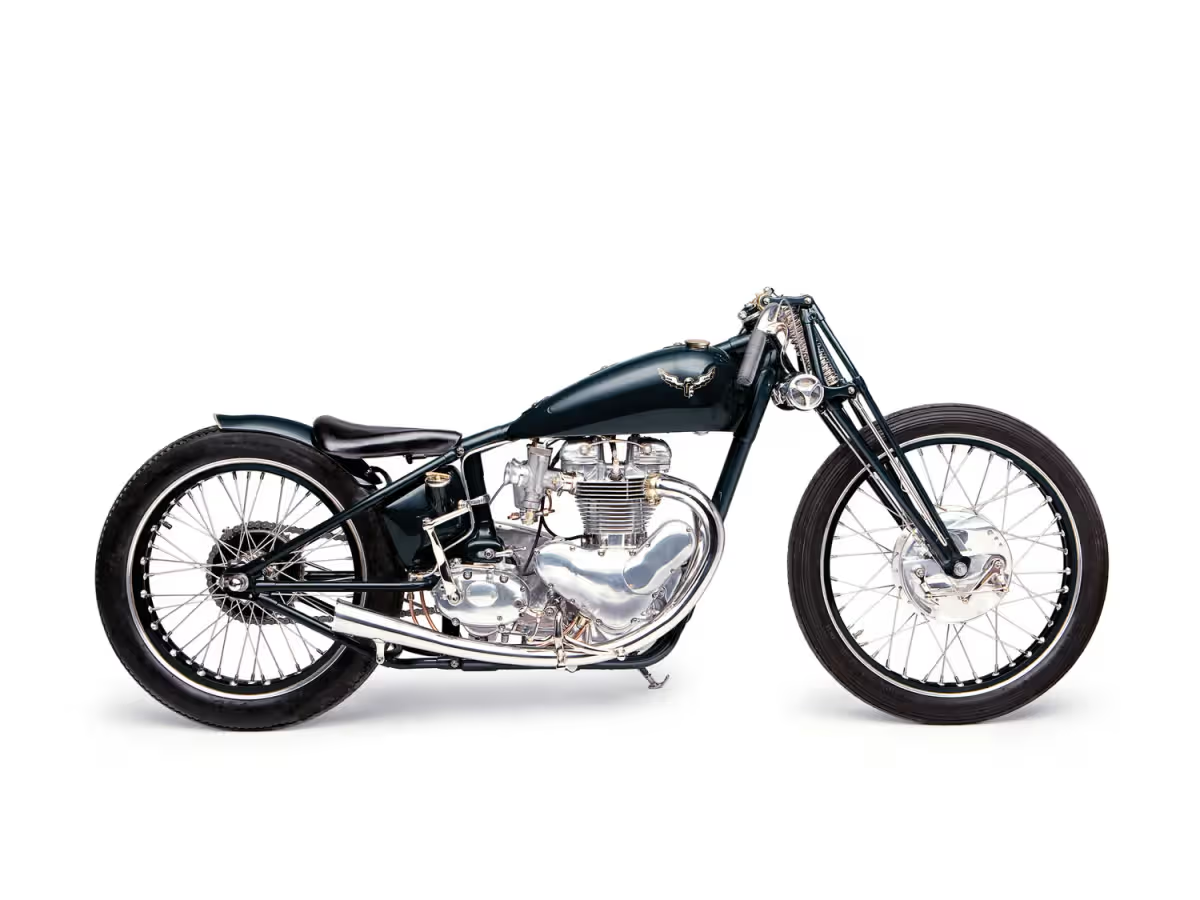
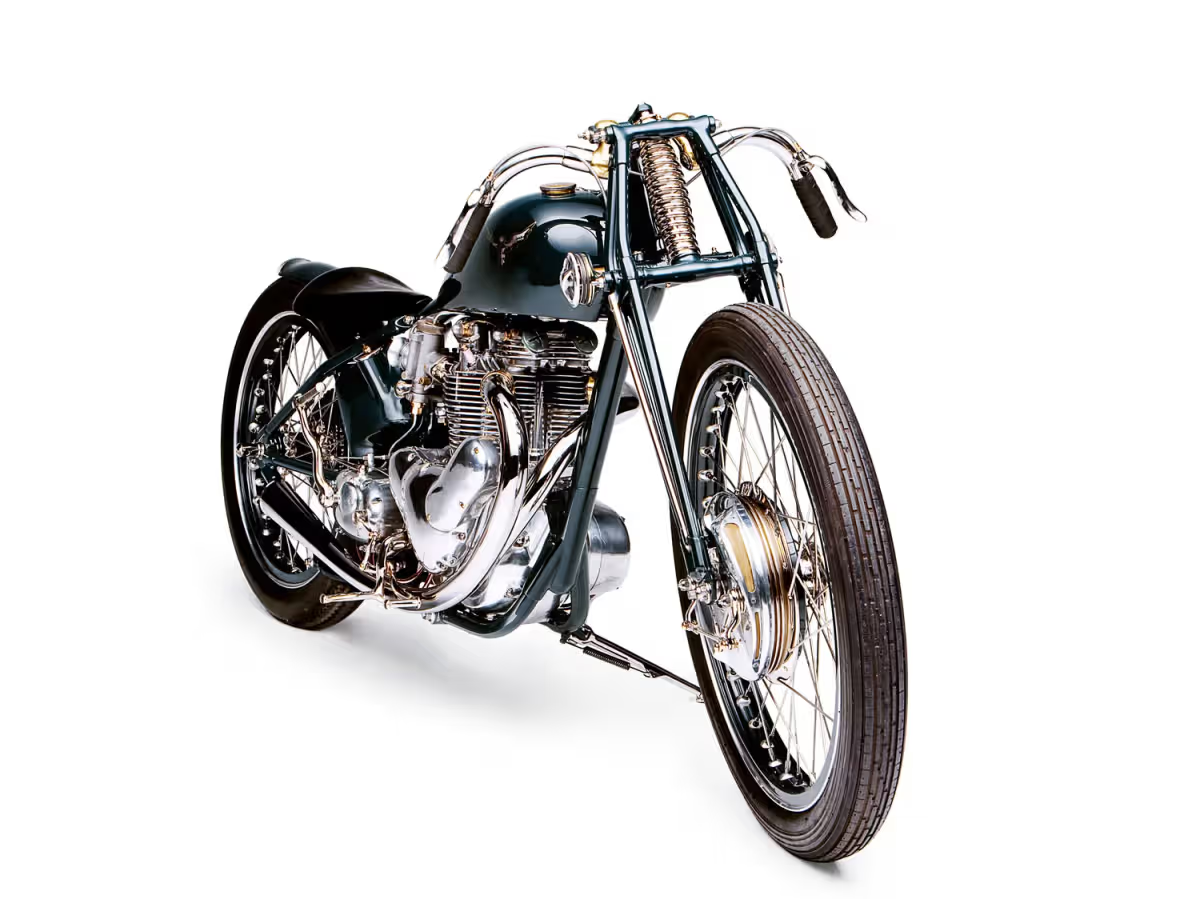
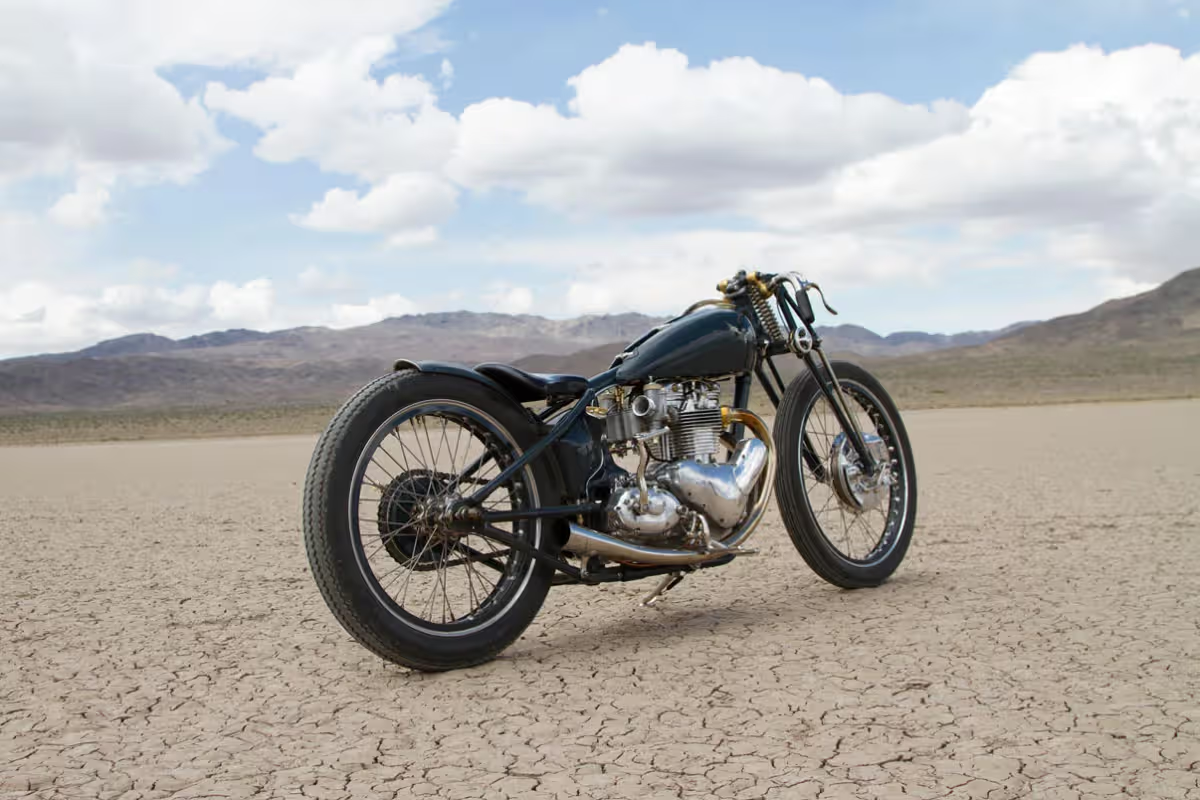
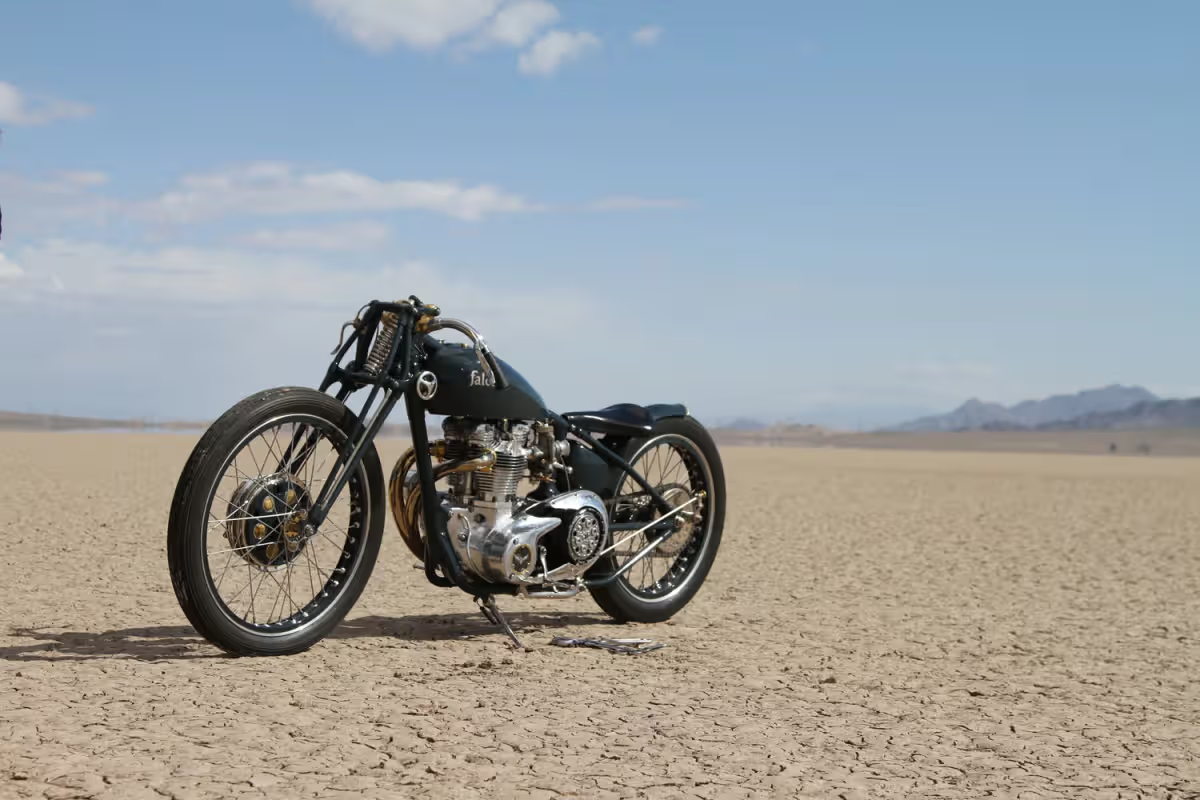
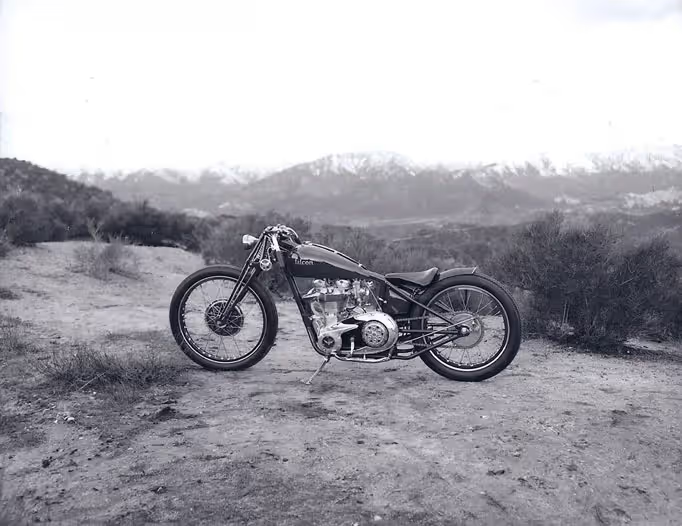
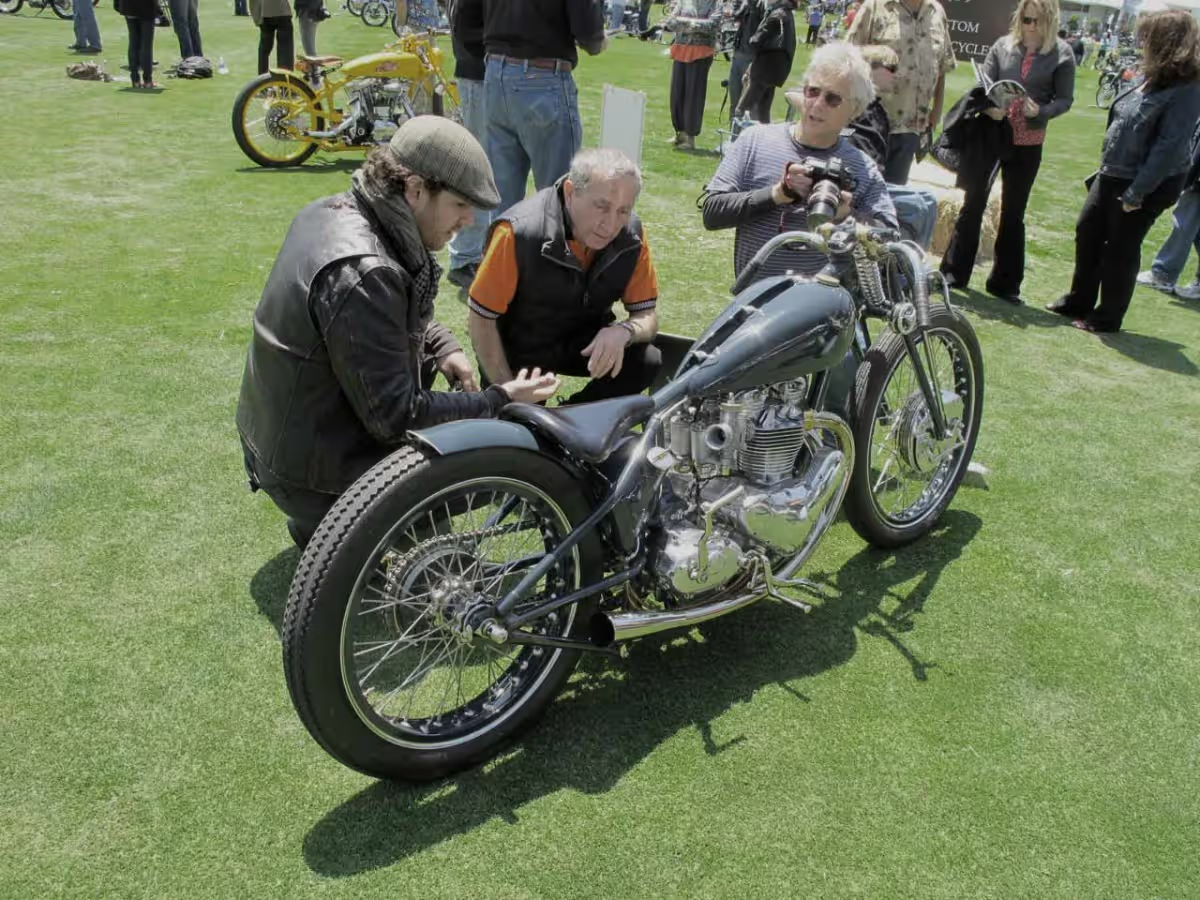
The Kestrela custom Triumph Bonneville motorcycle by Falcon
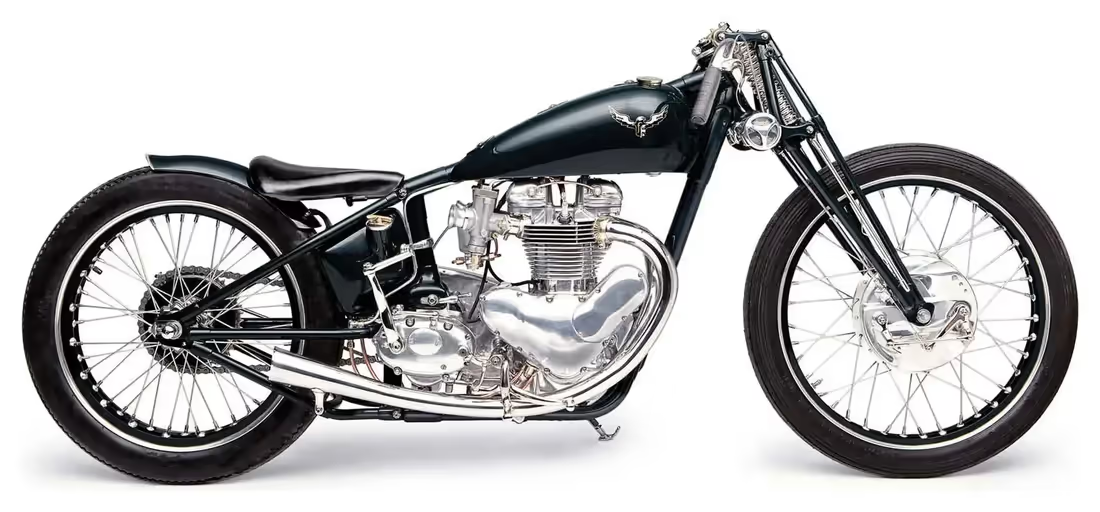
Introducing The Kestrel
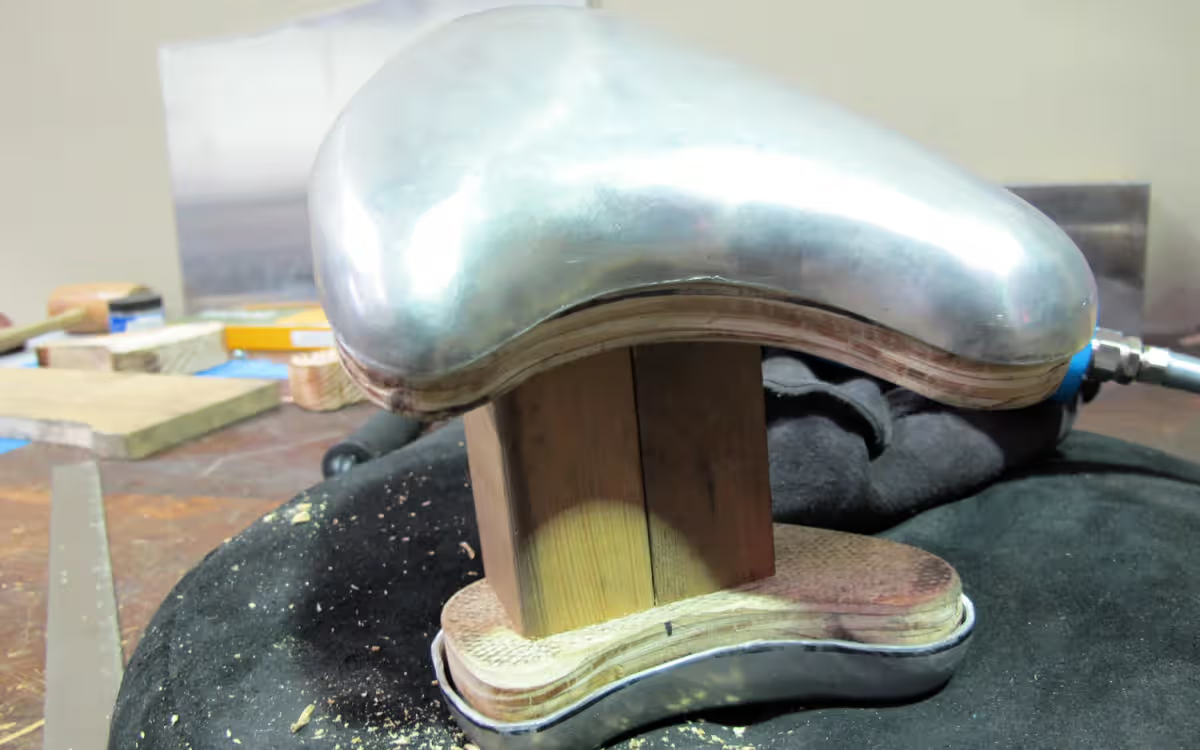
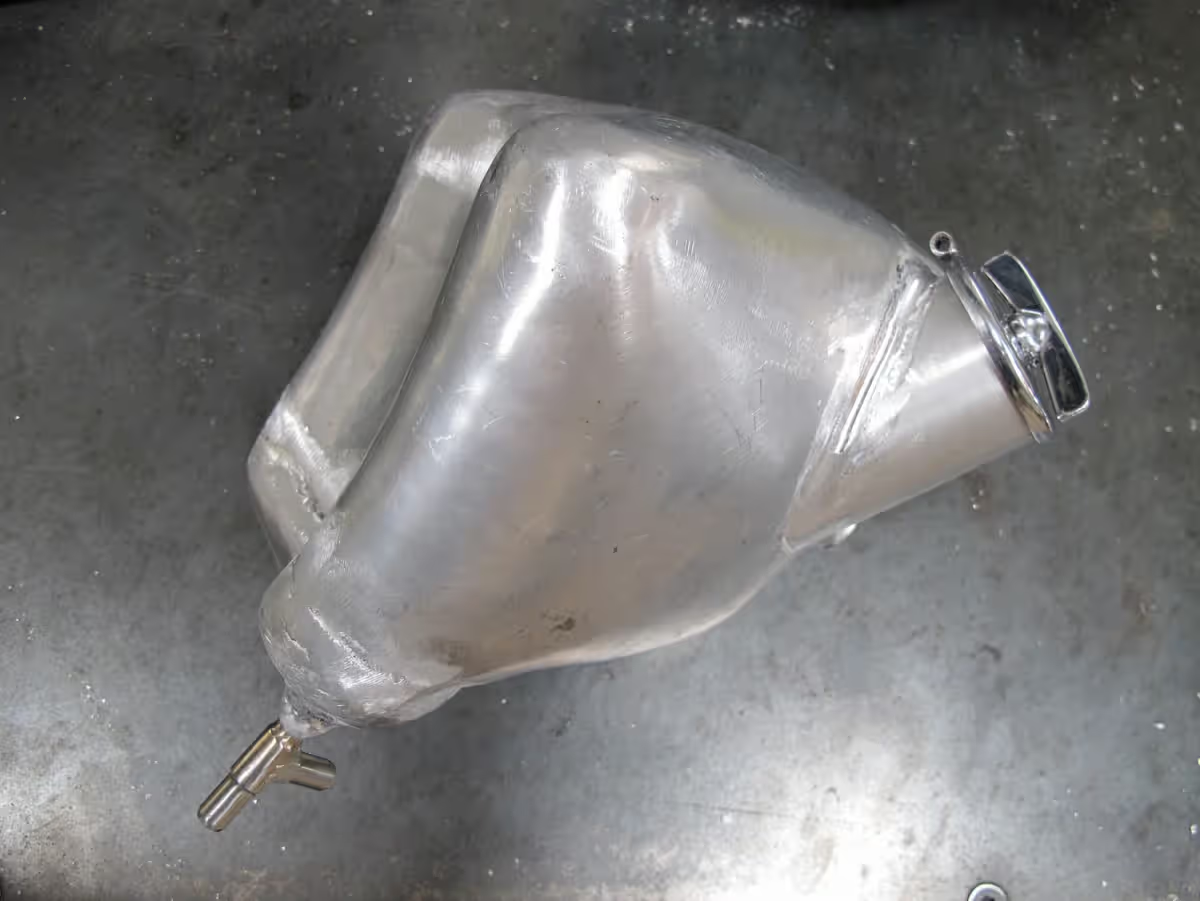
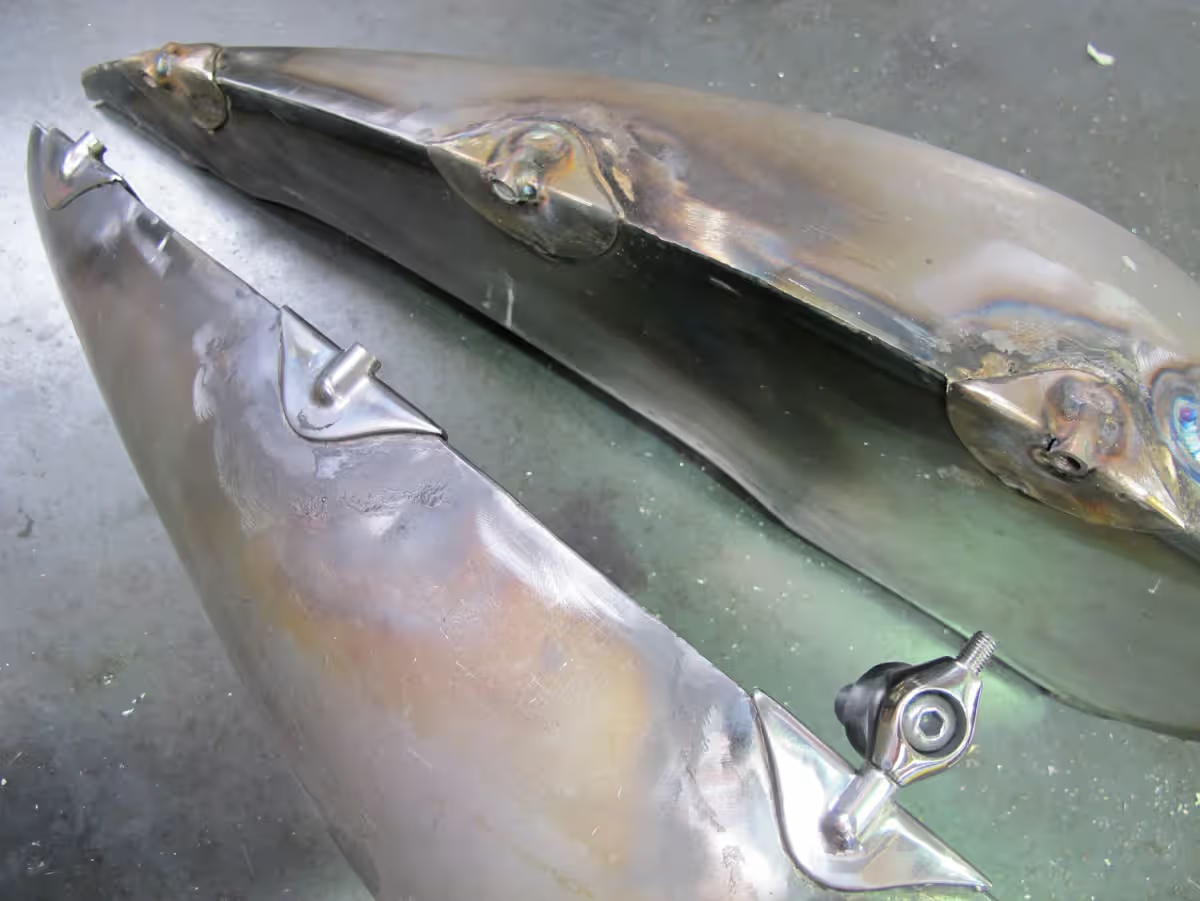
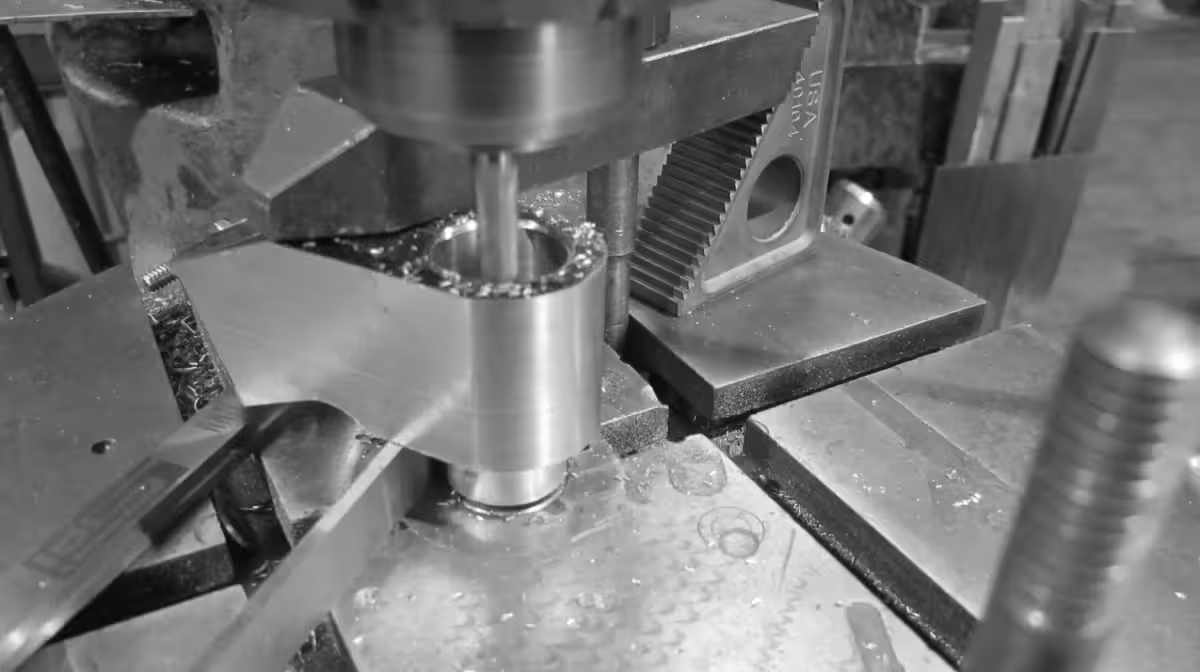
Materials and build
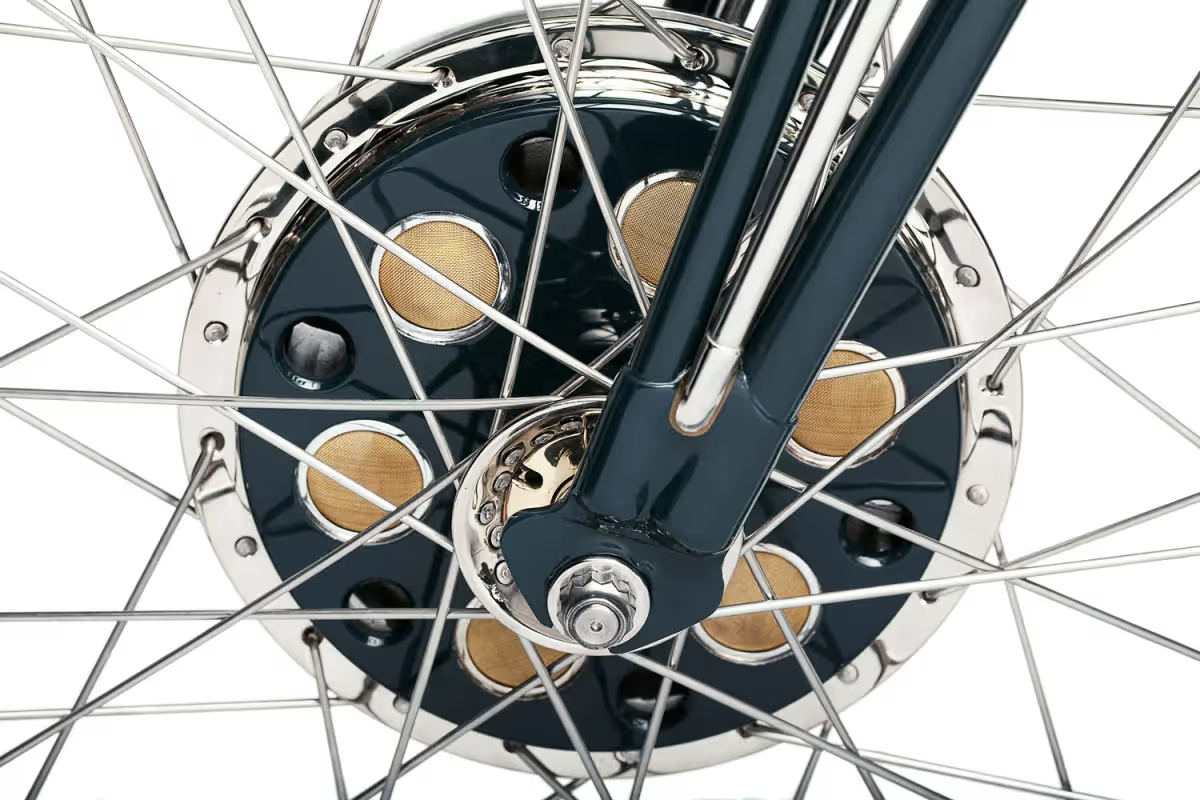
De-unitized 1970 Triumph Bonneville engine, modified alternator, aluminum, Borrani WM1 wheel, Borrani WM2 wheel, brass, brass mesh, bronze, BSA A-10 transmission, cloth, copper, glass, gold leaf, Firestone tire, GP carburetors, iron, leather, leather rope, Loctite, nickel, paint, palladium leaf, rubber, safety wire, stainless steel, steel, Suzuki GS550 clutch, tape, Triumph generator cap, Venom Avon tire.


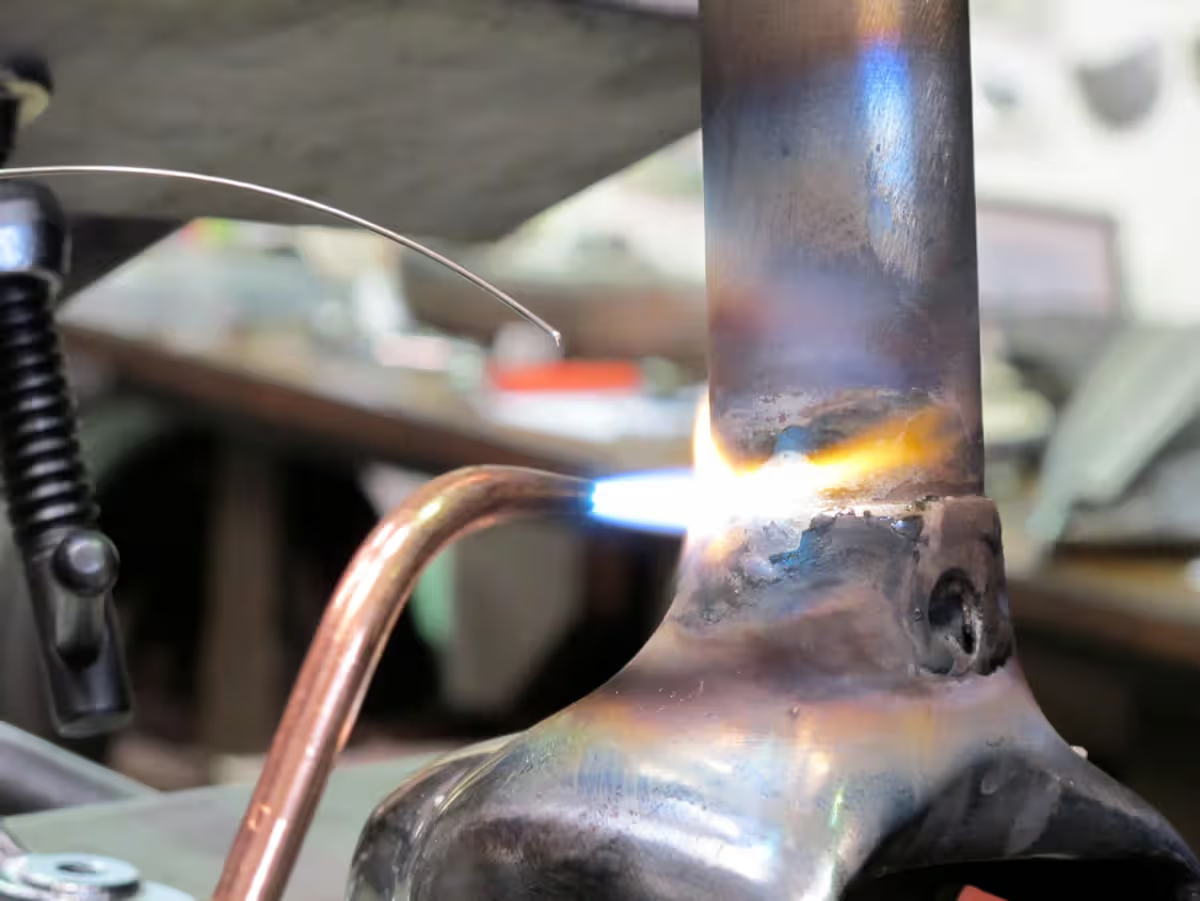
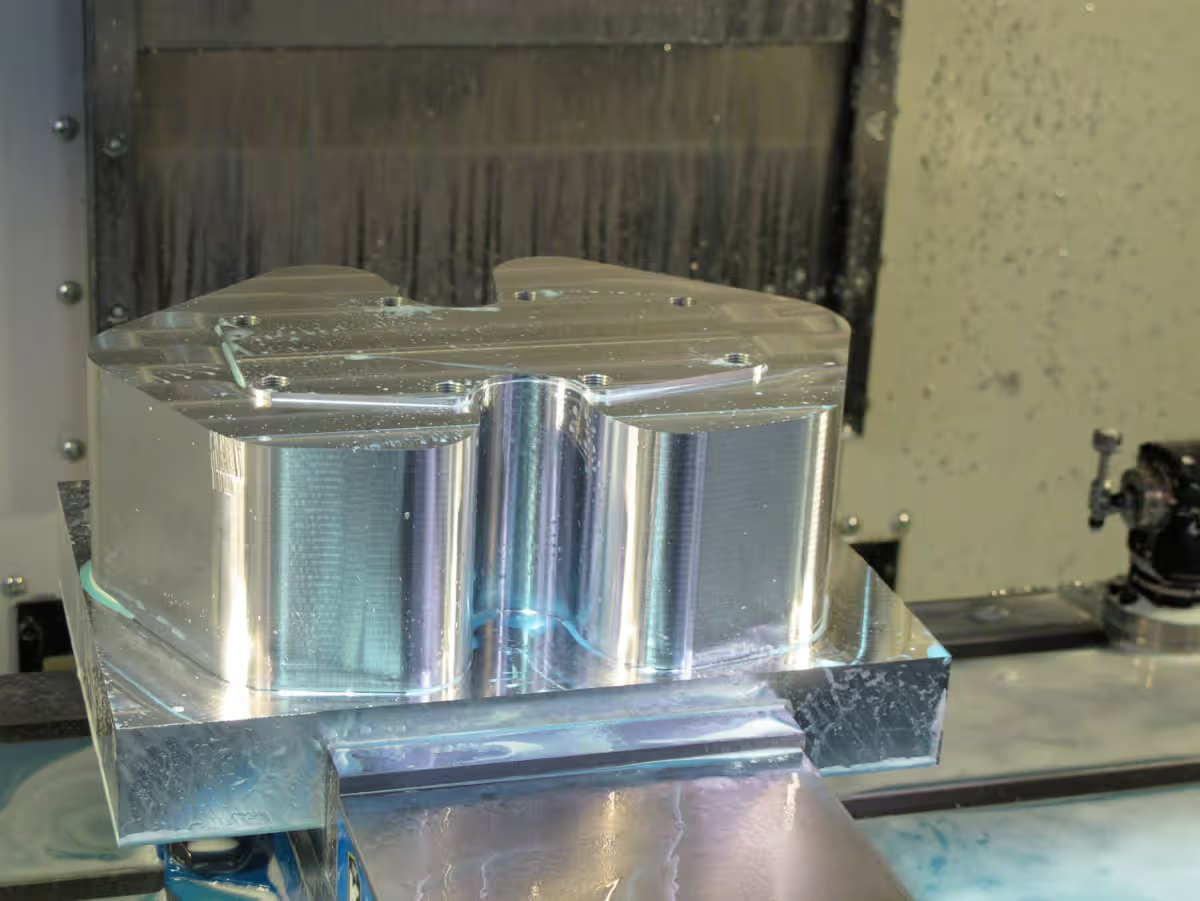
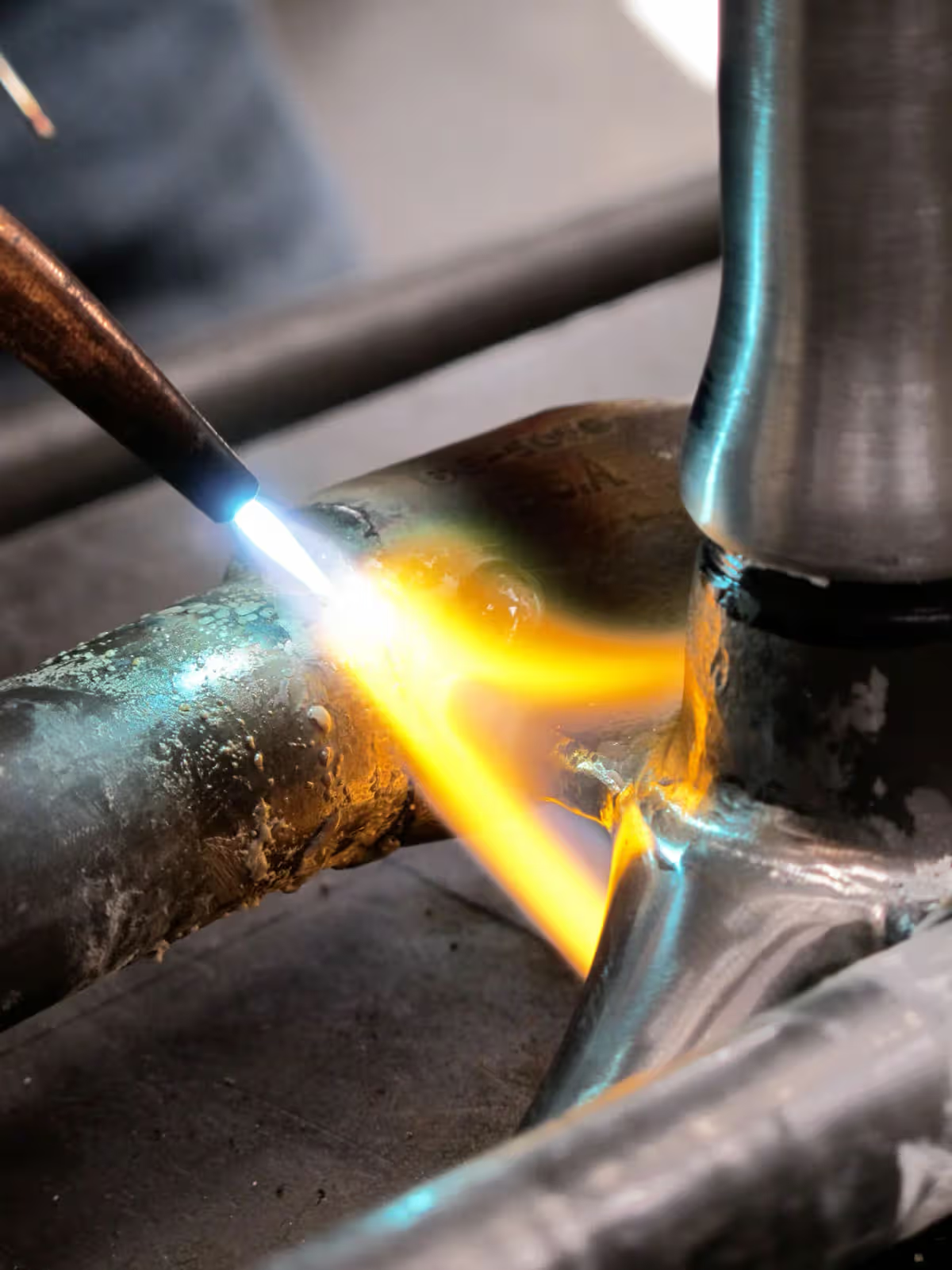
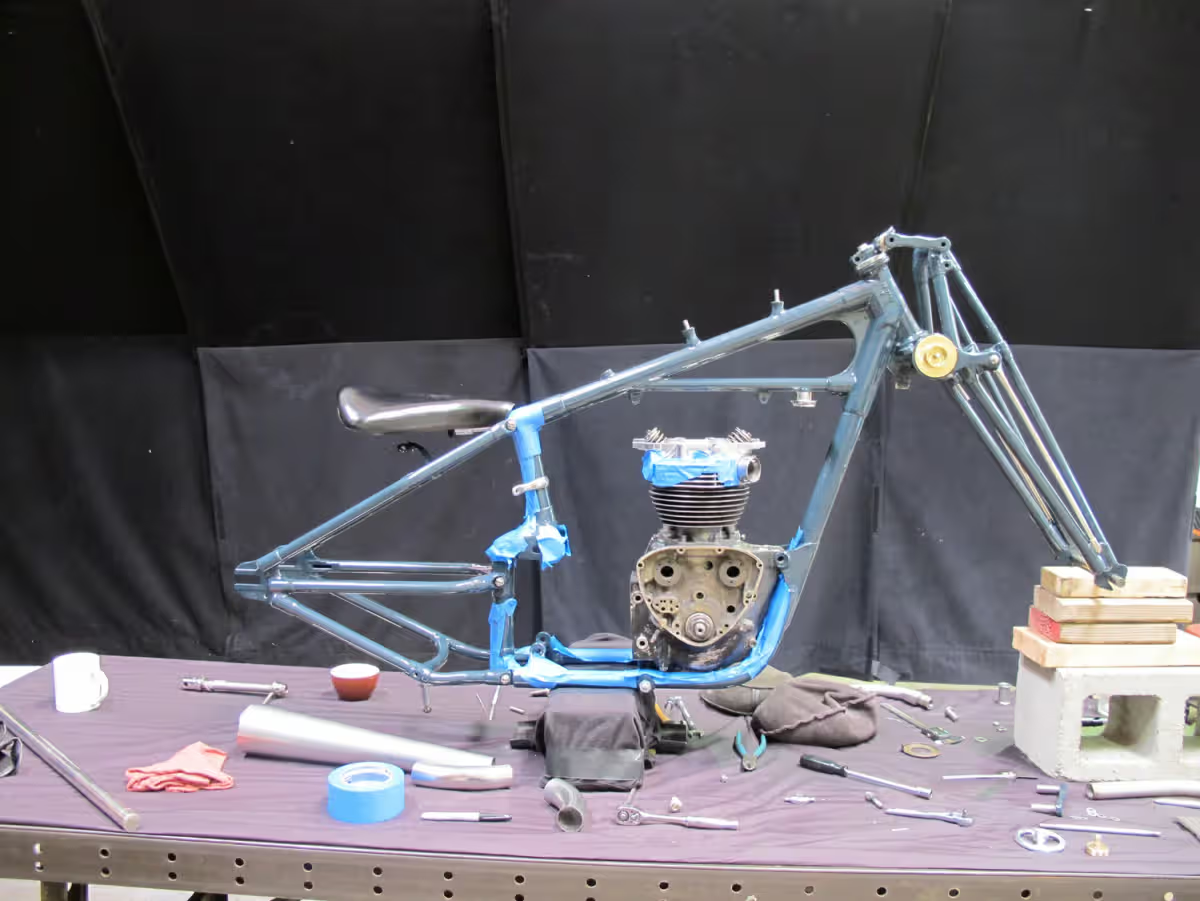
Process
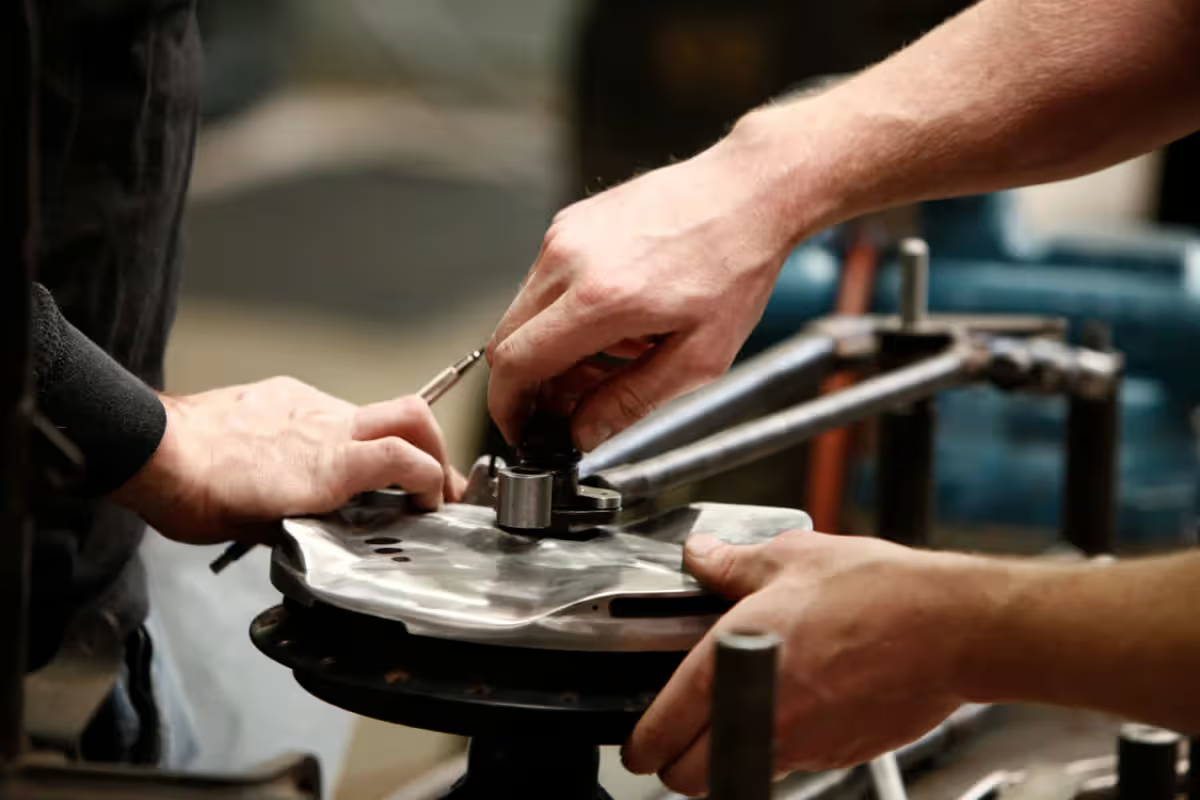
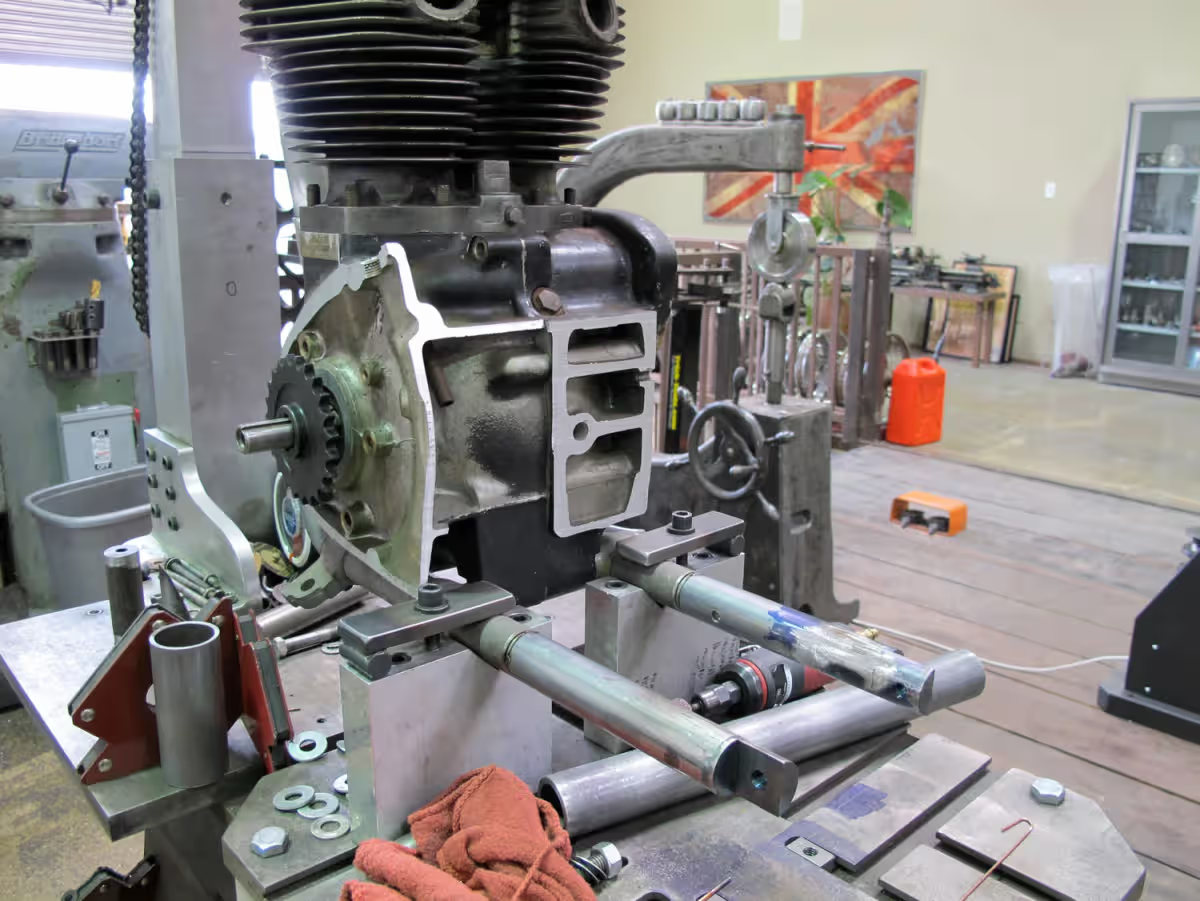
How is The Kestrel built?
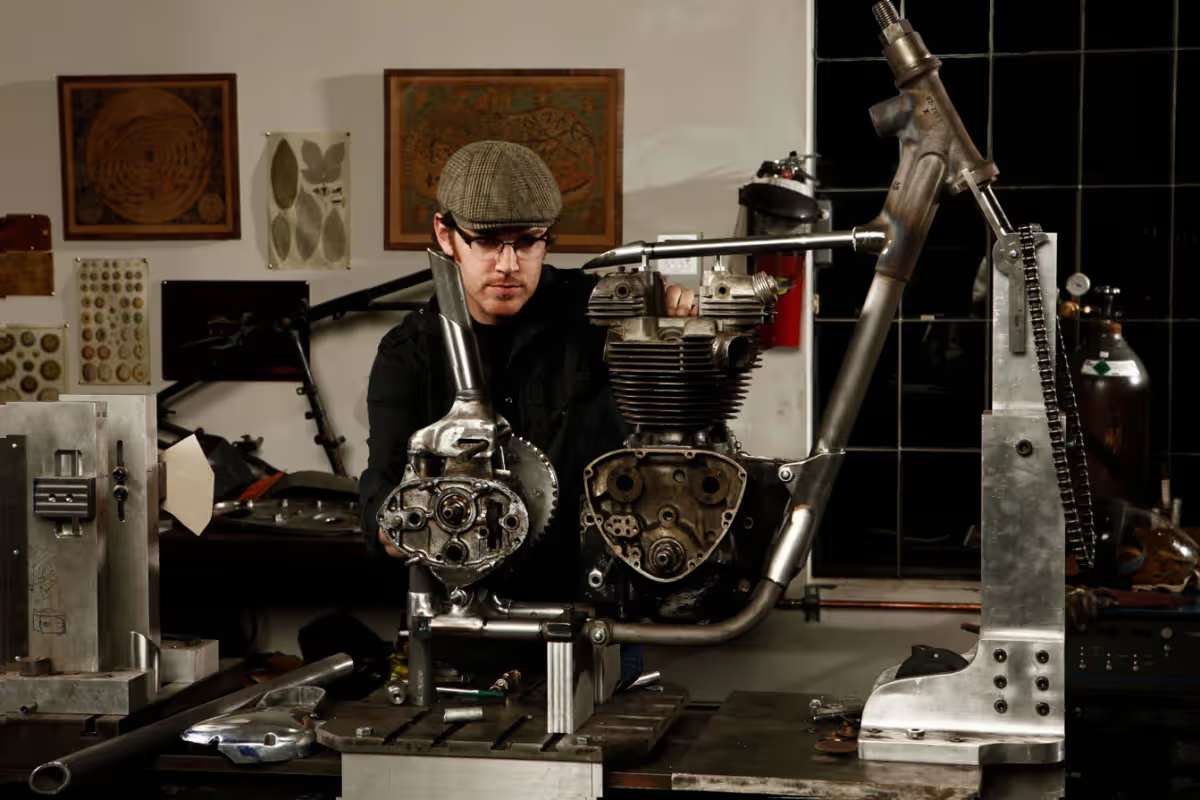
The Kestrel was Ian Barry's first 'total design'.


Engine origin
What engine does The Kestrel use?
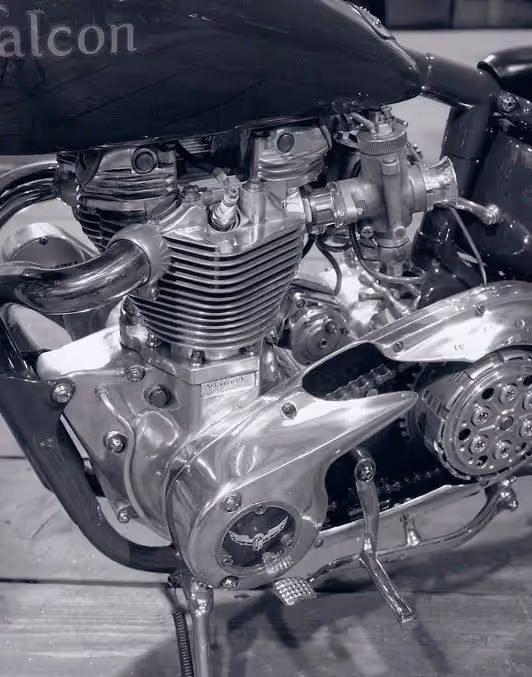
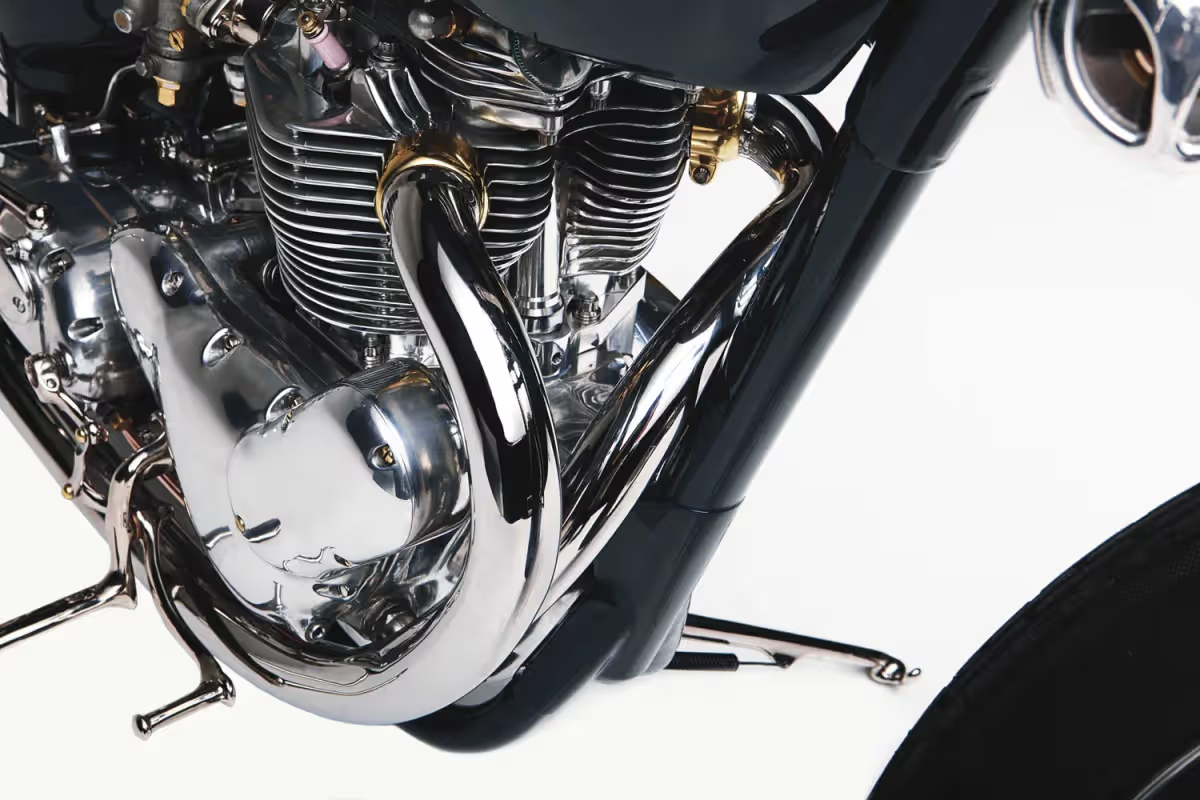
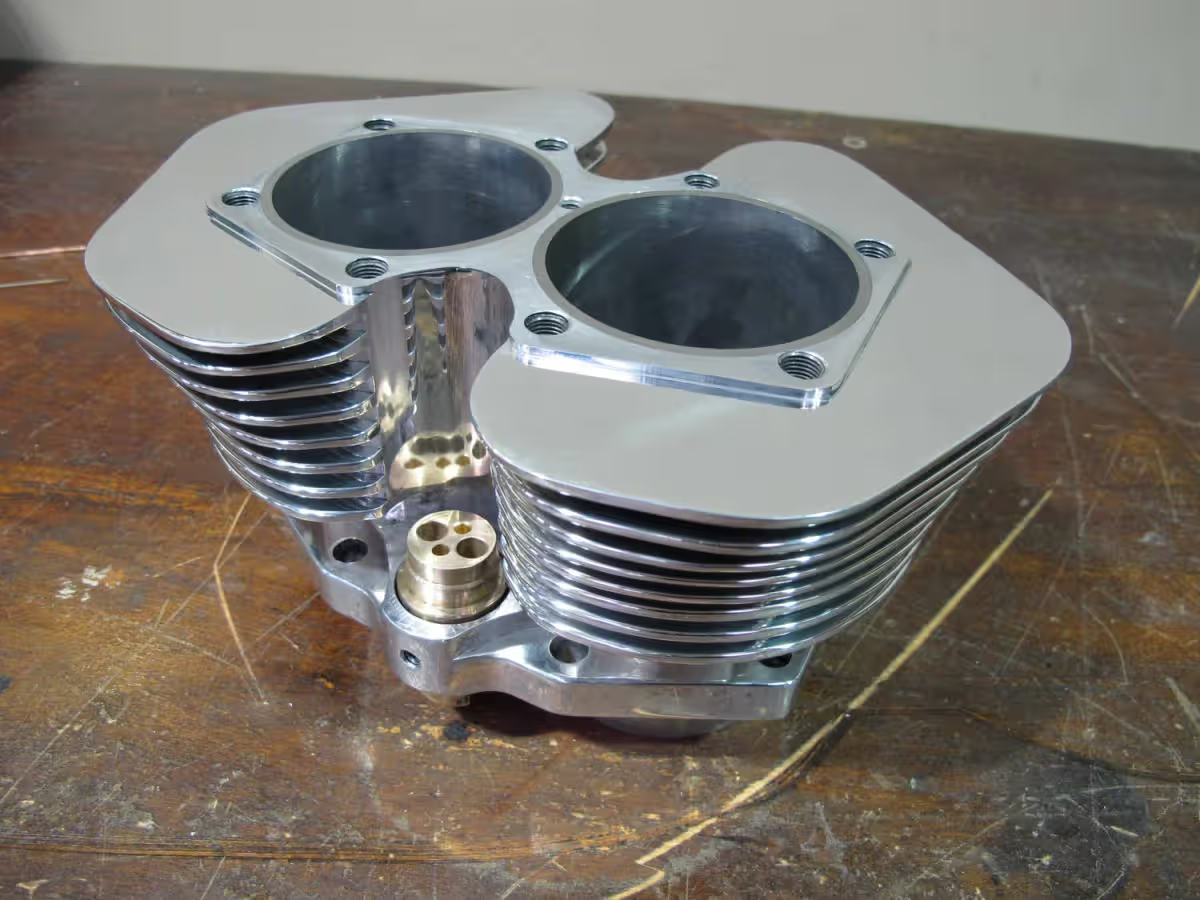
The Kestrel's engine originated with a 1970 Triumph 'Bonneville' - a name that derived from the famous Bonneville Salt Flats, Utah, where Johnny Allen broke the absolute world land speed record at 214.40 mph in 1956, running a Triumph 650cc parallel twin engine.
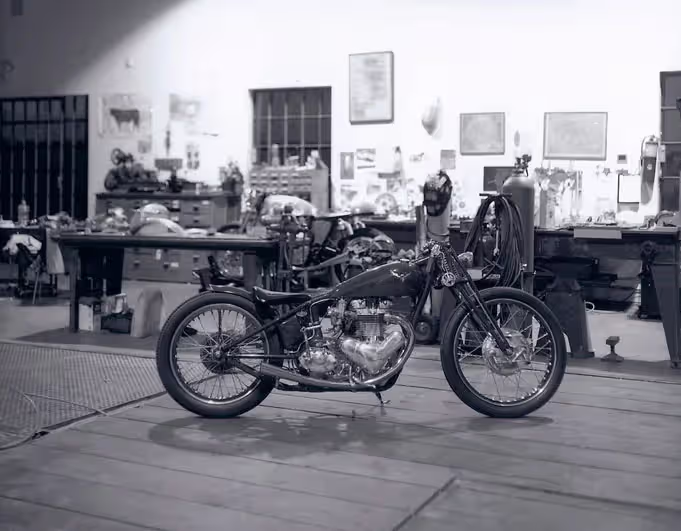
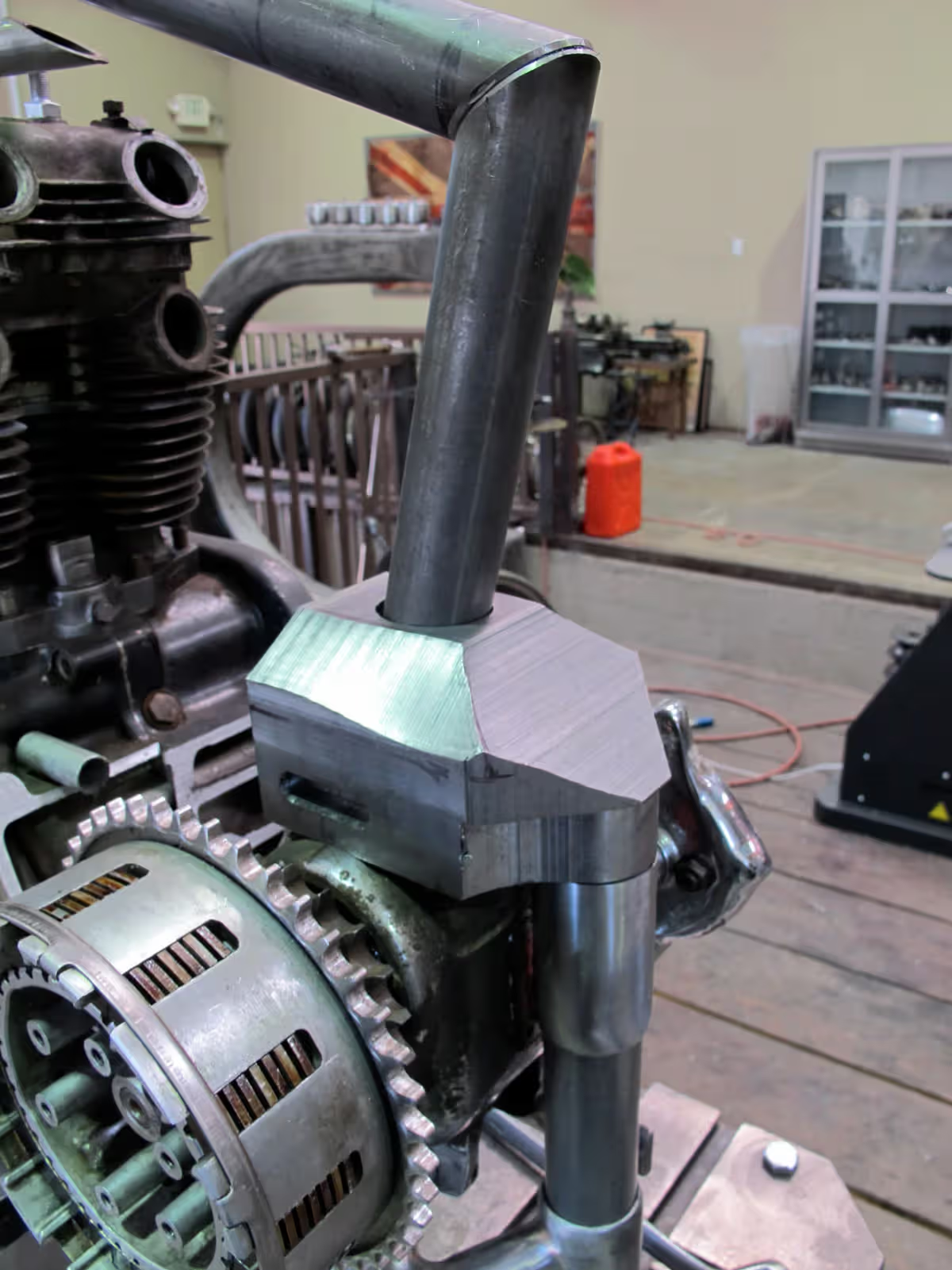
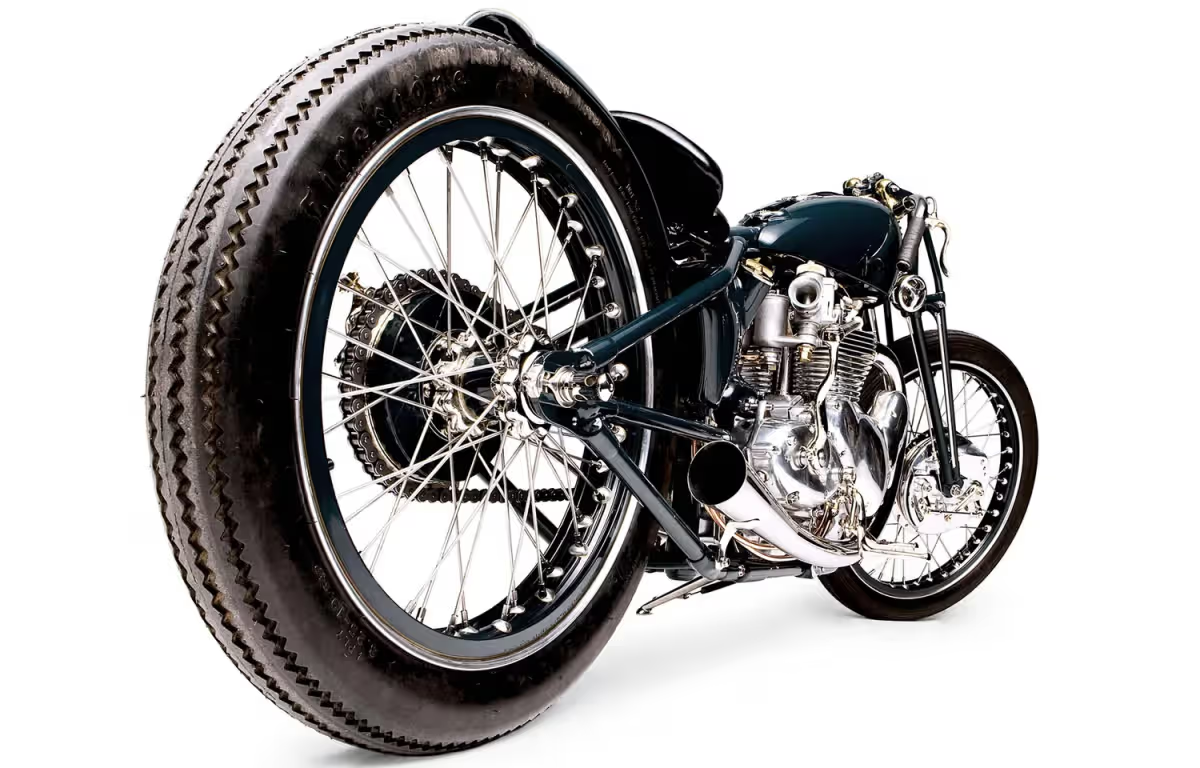
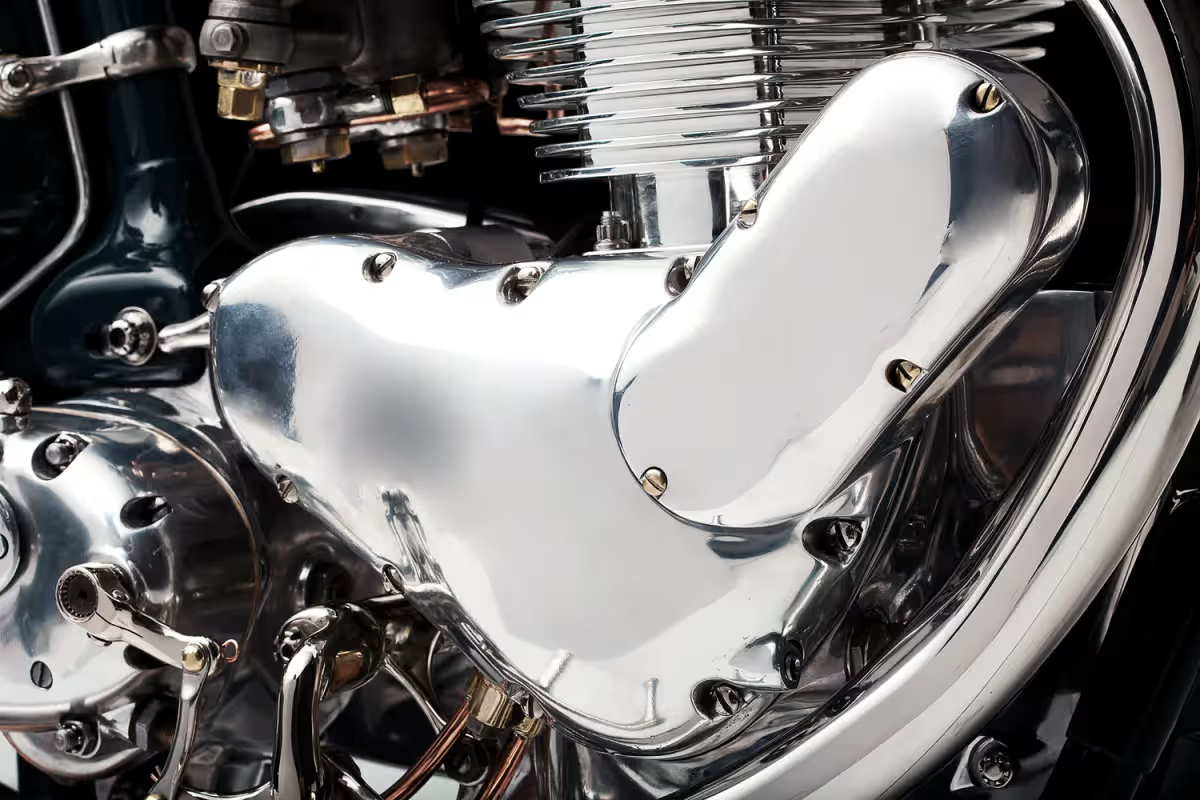
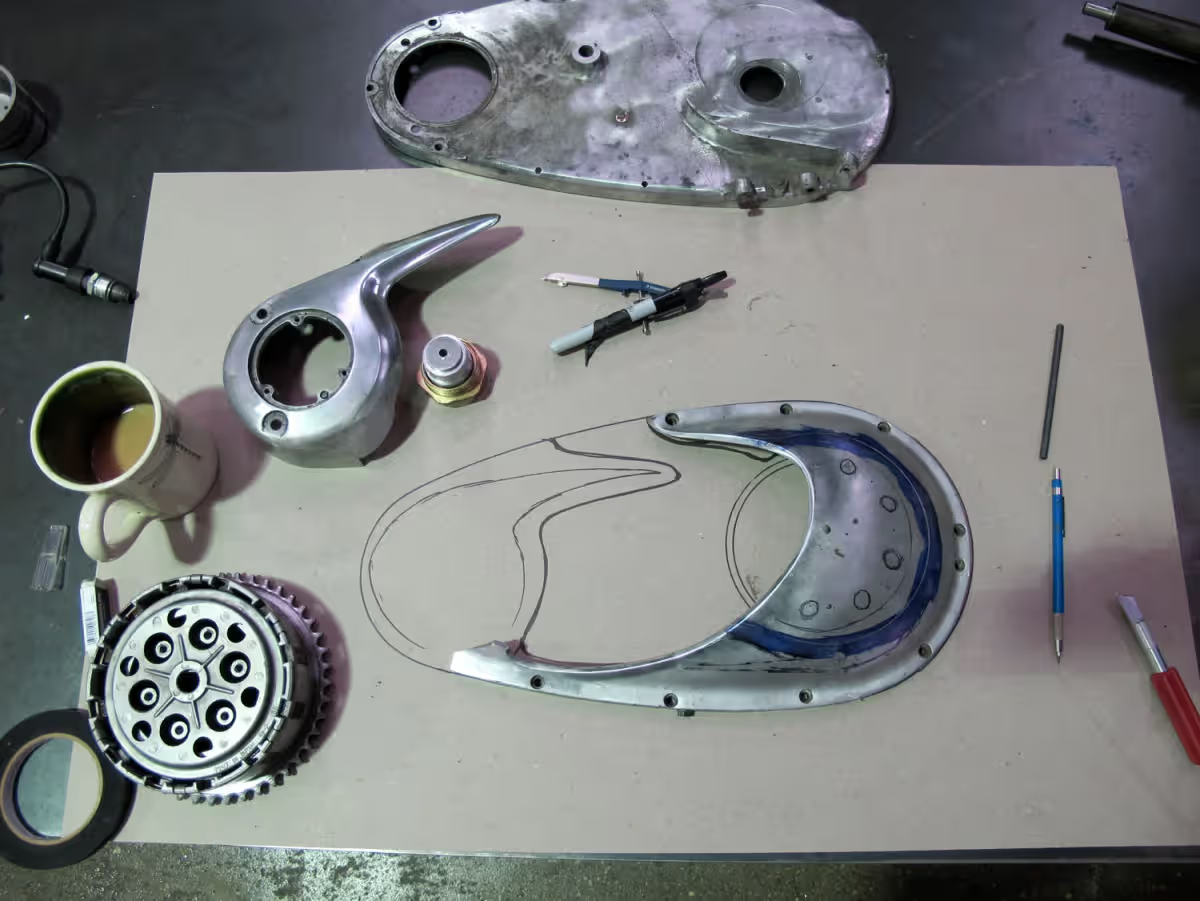
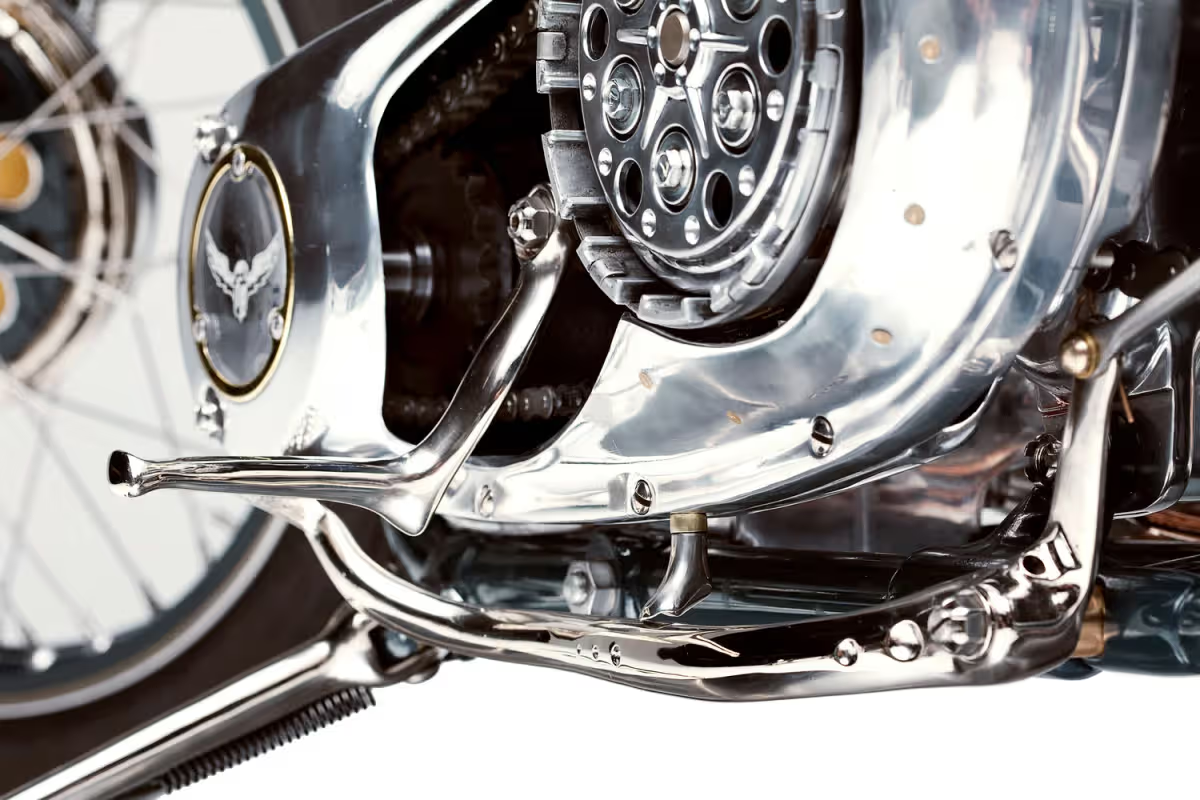
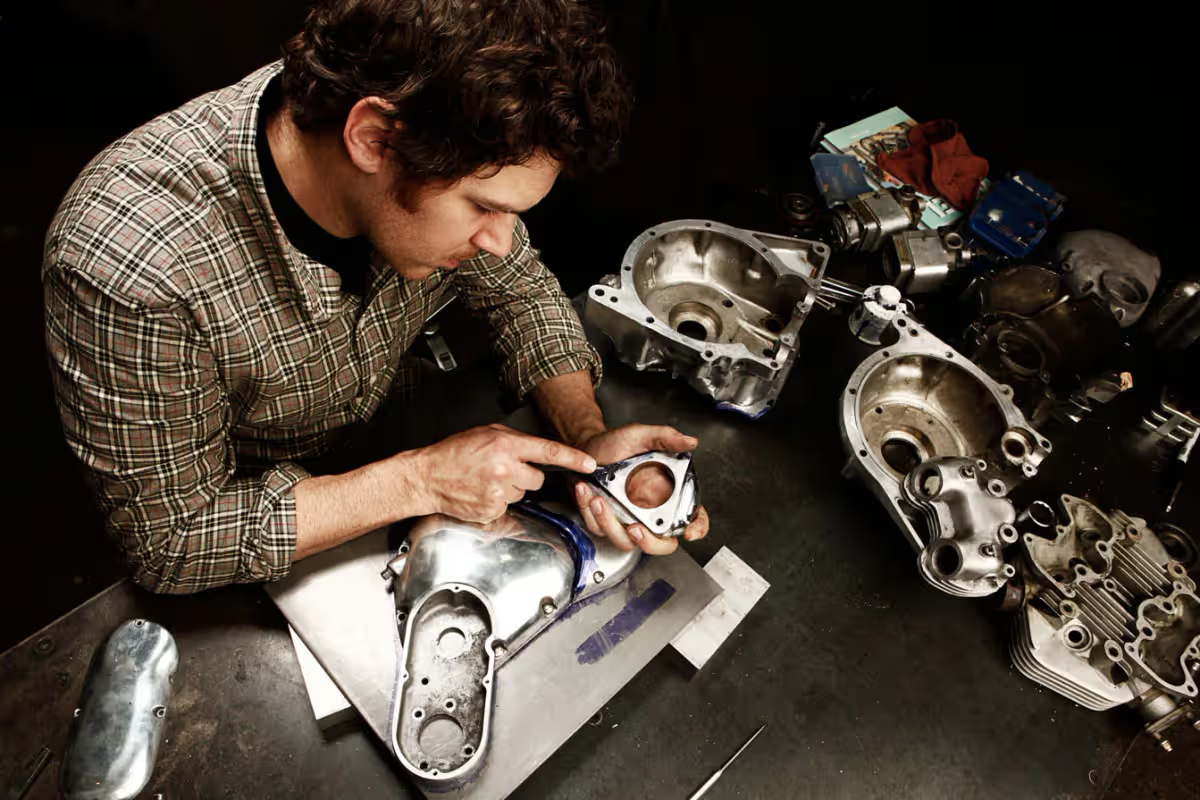
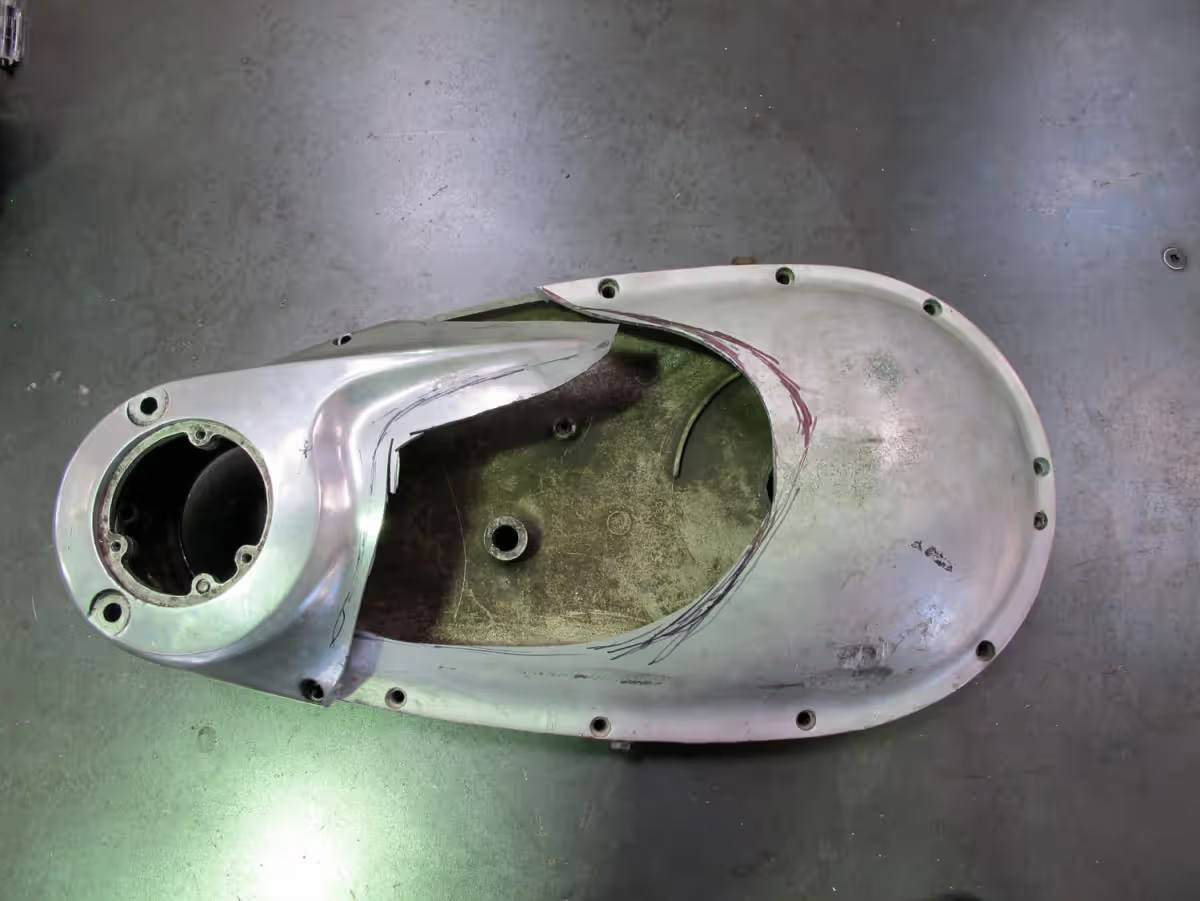
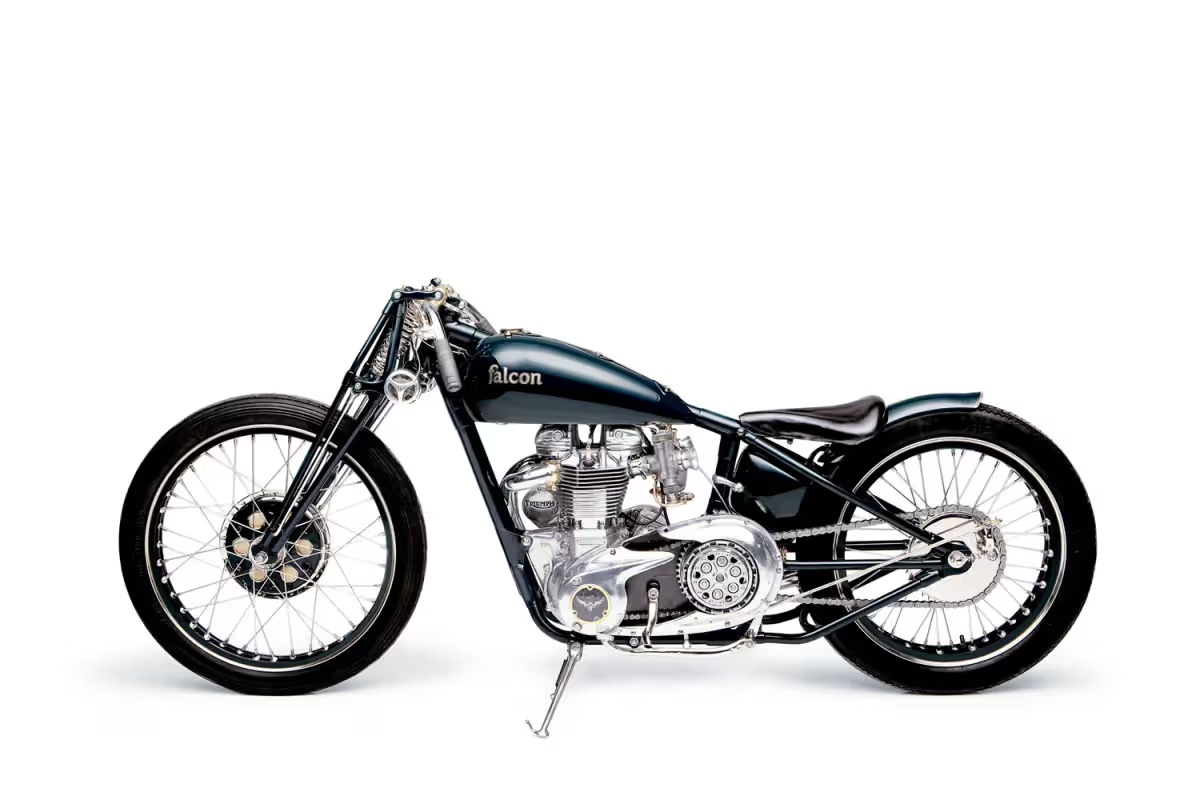
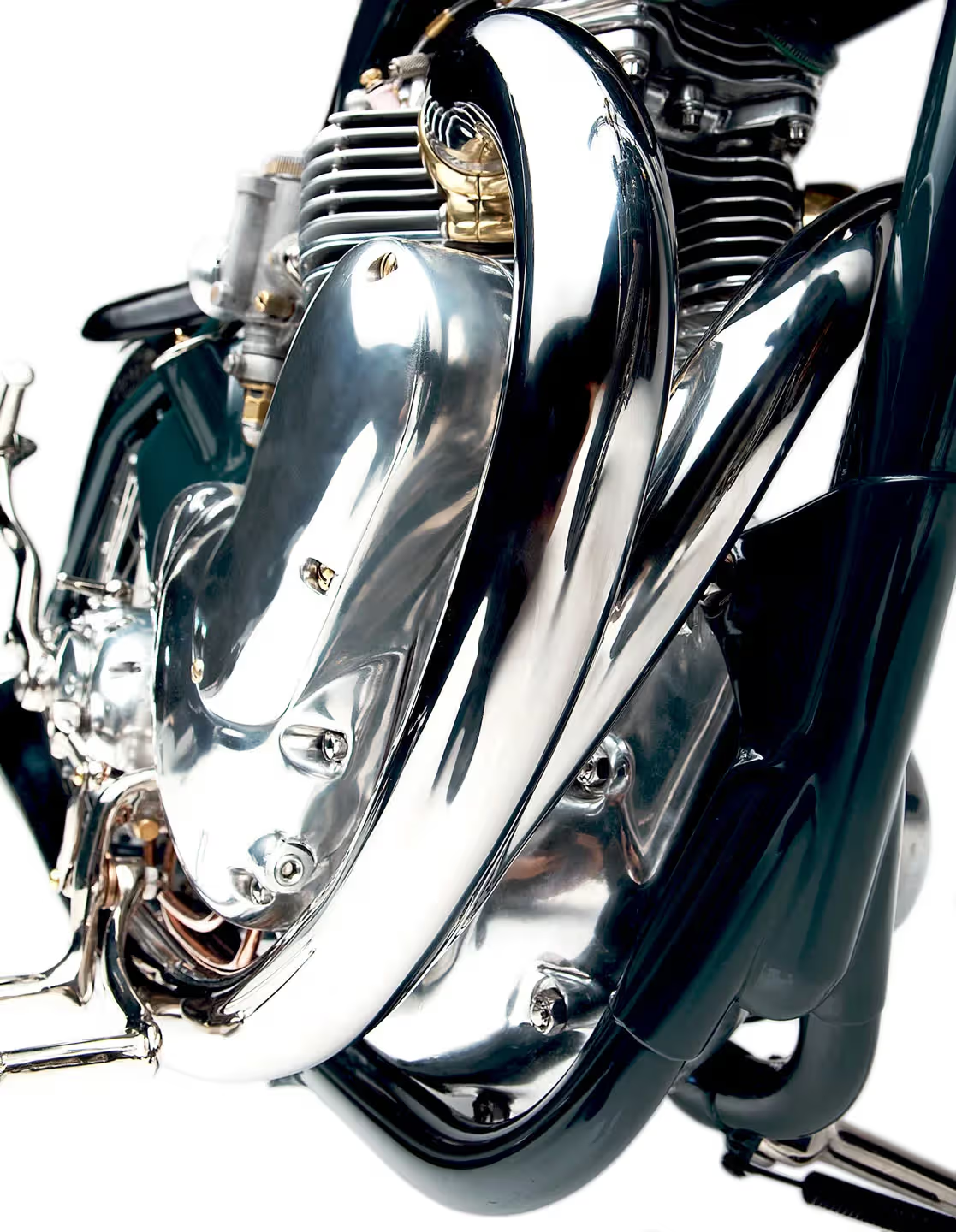
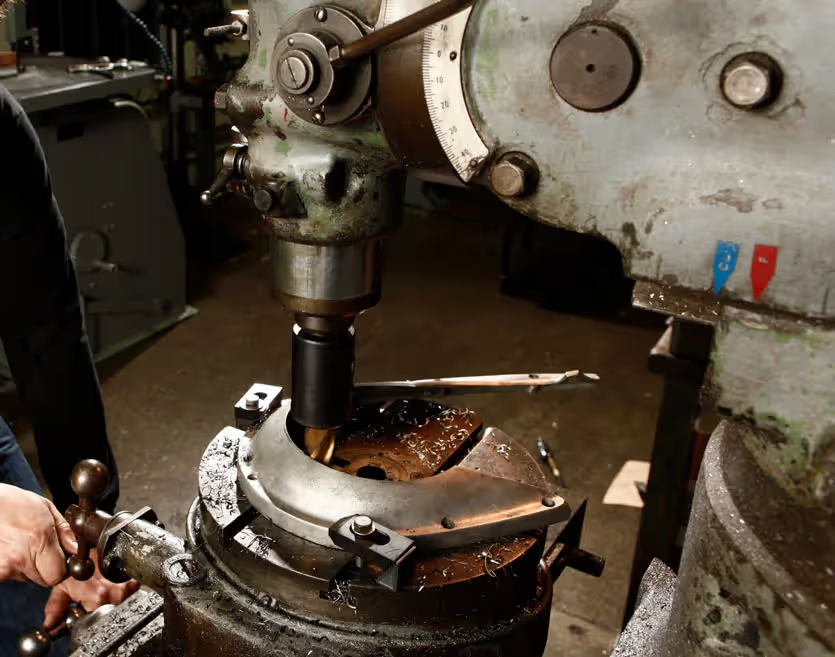
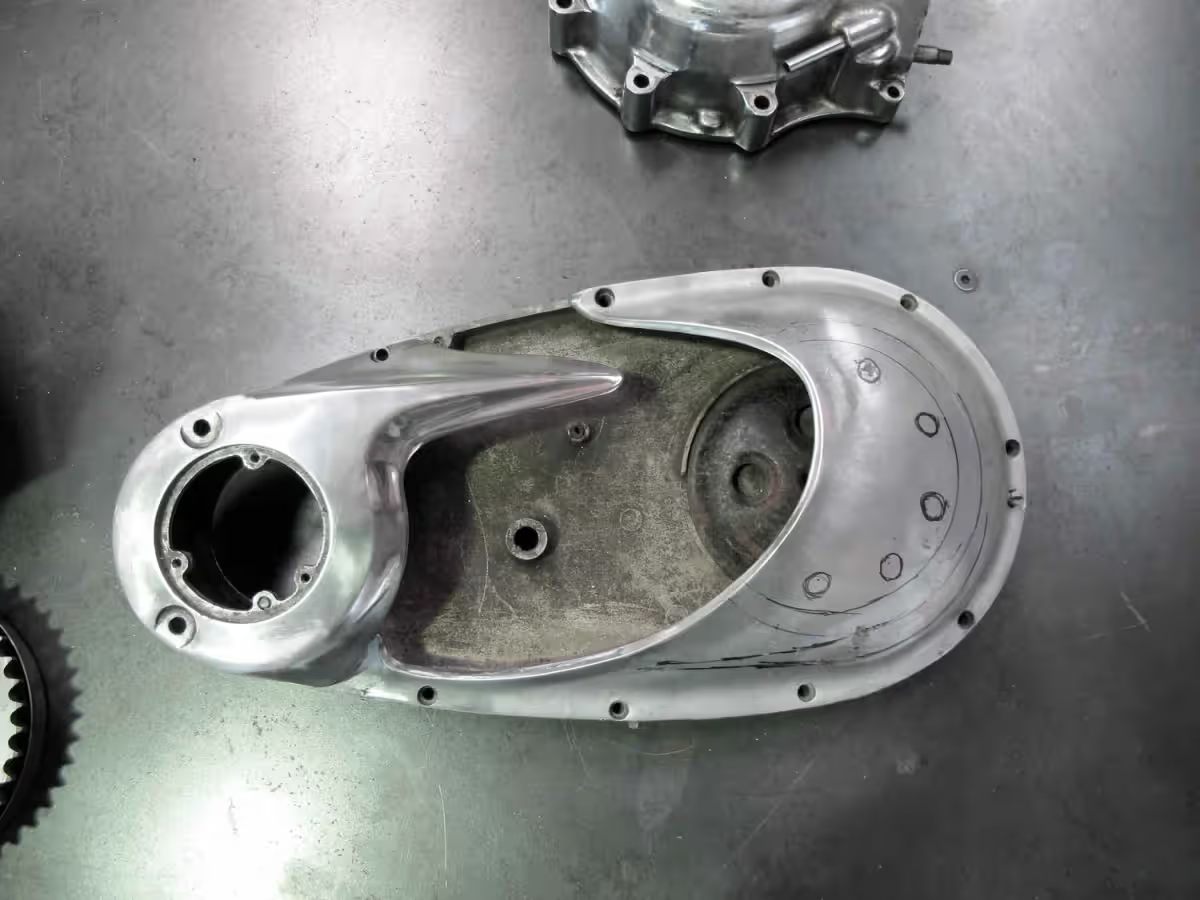
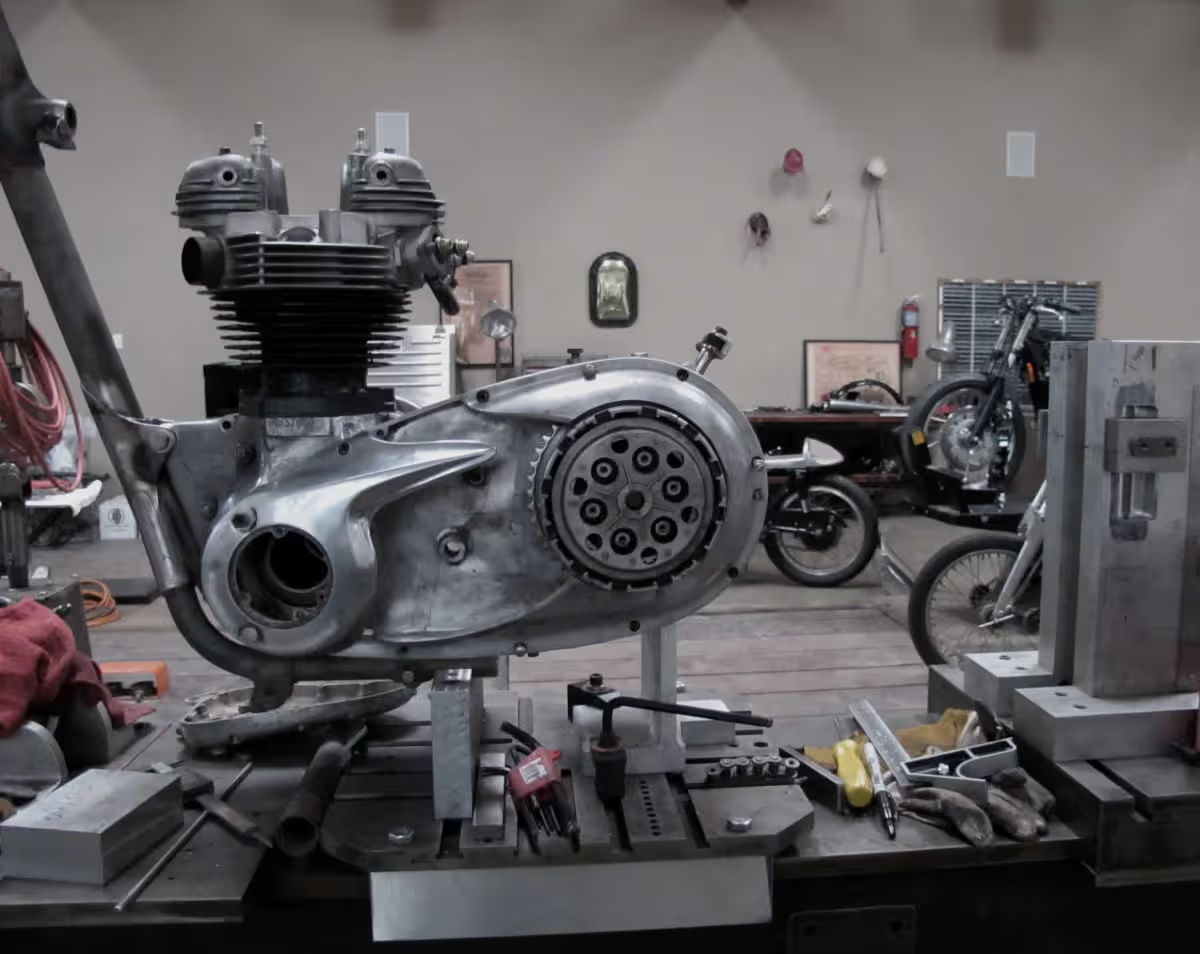
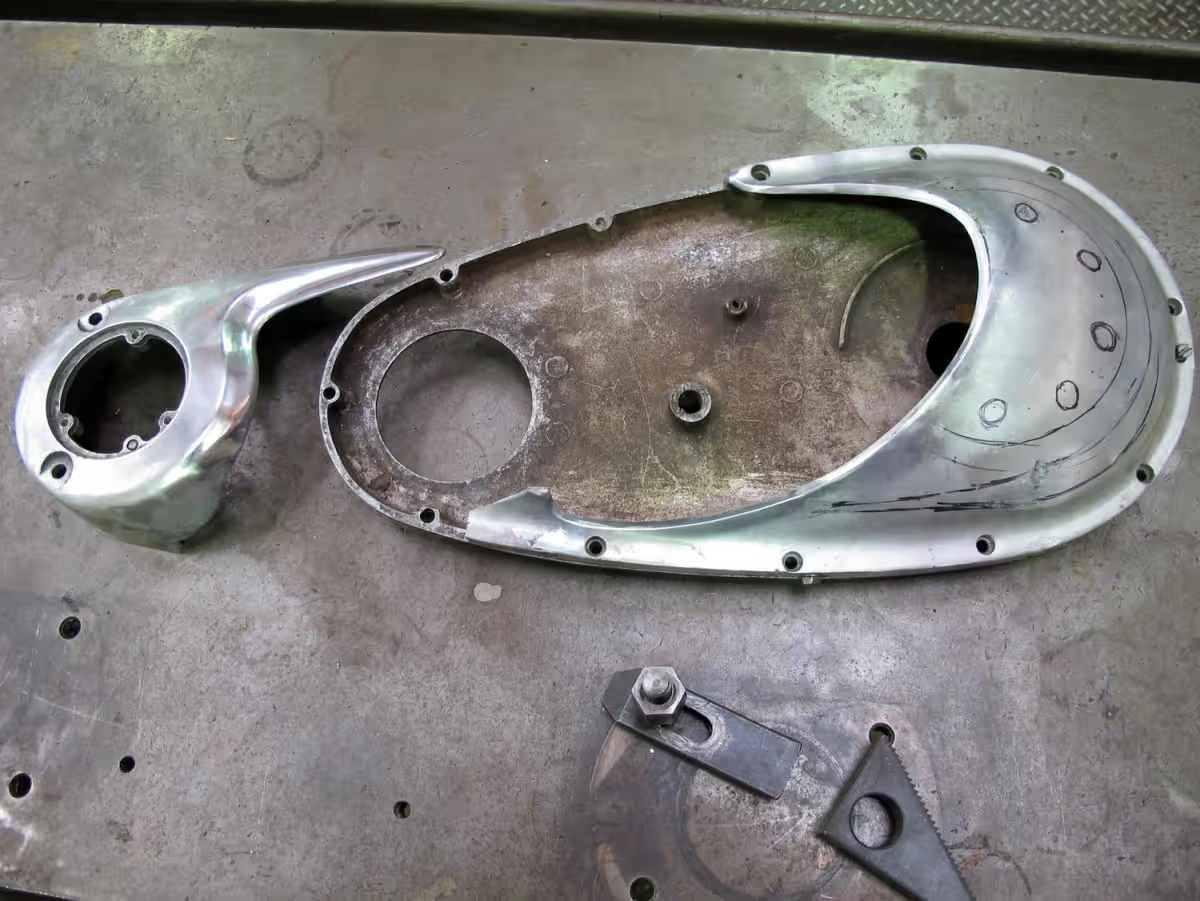
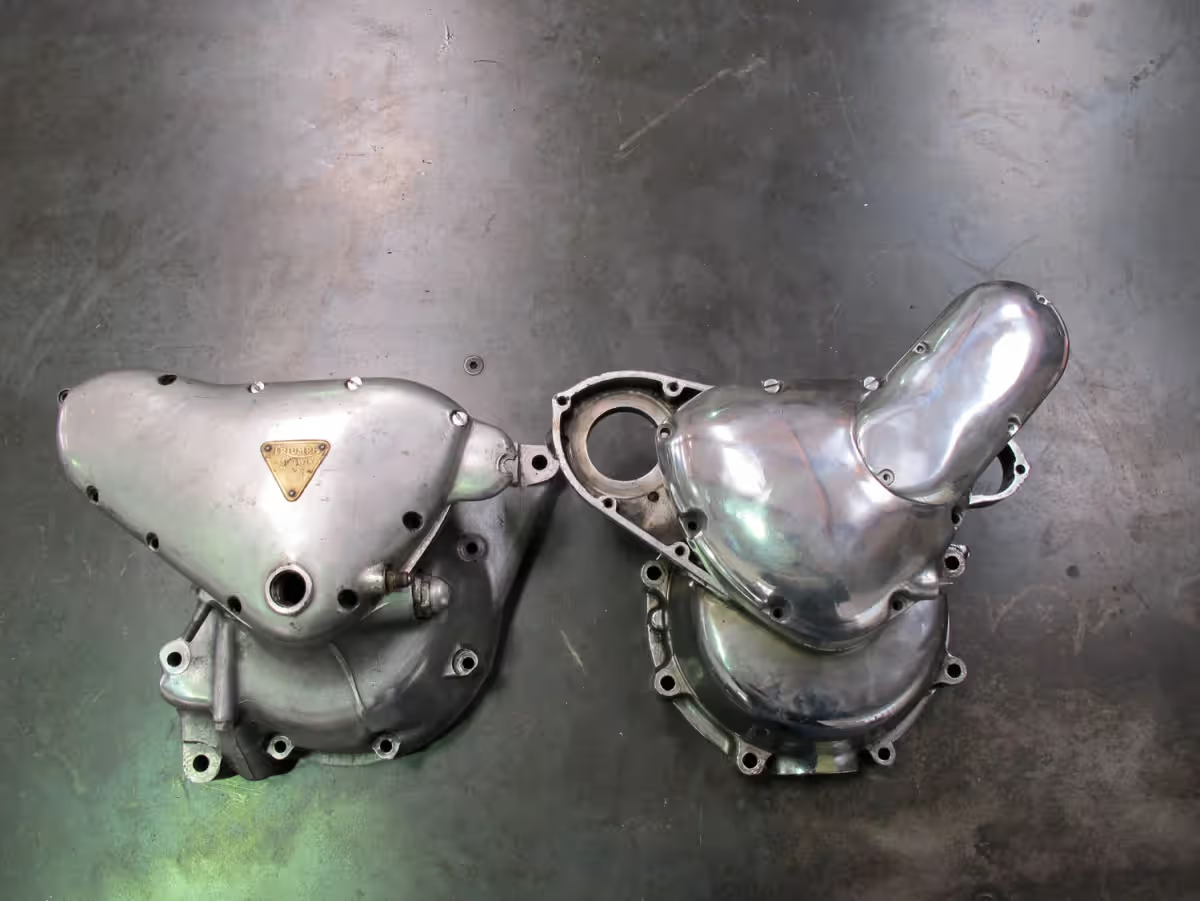
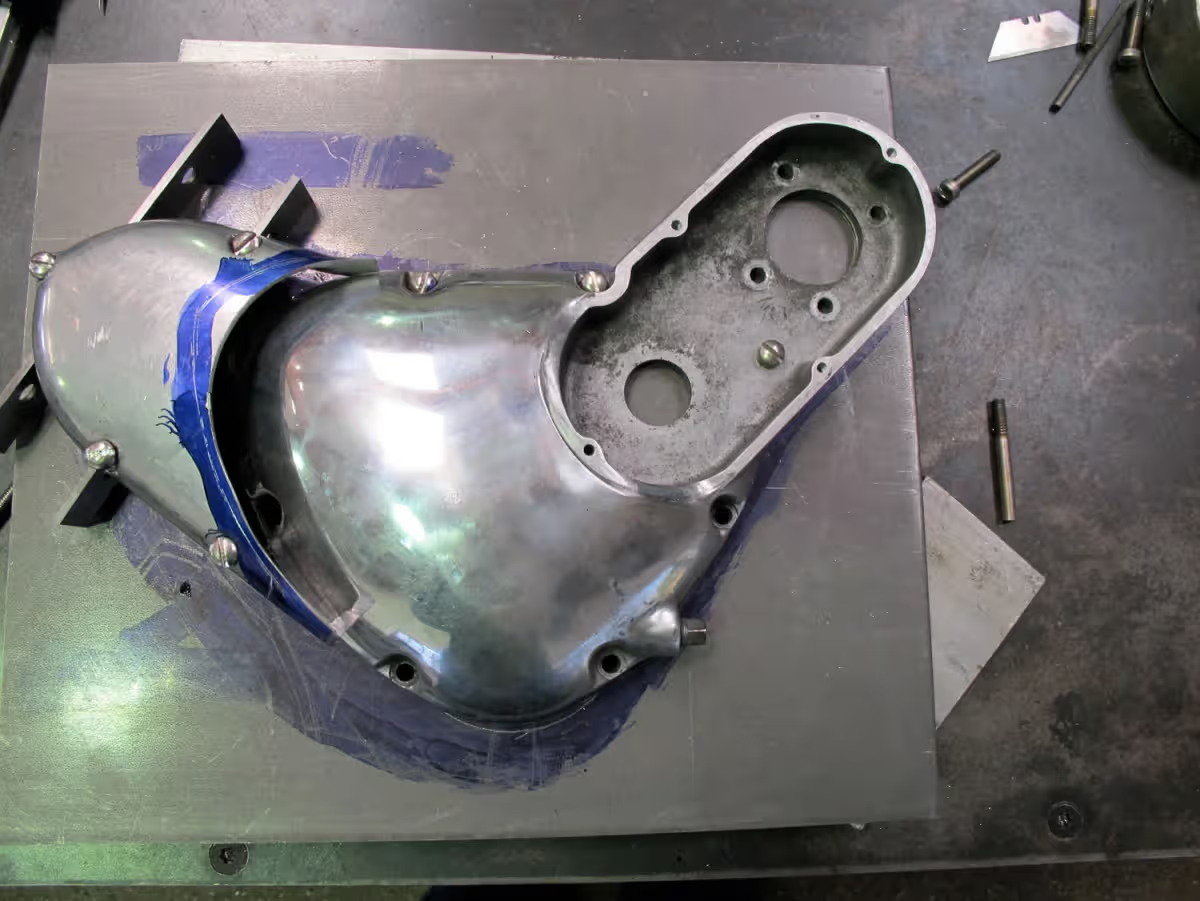
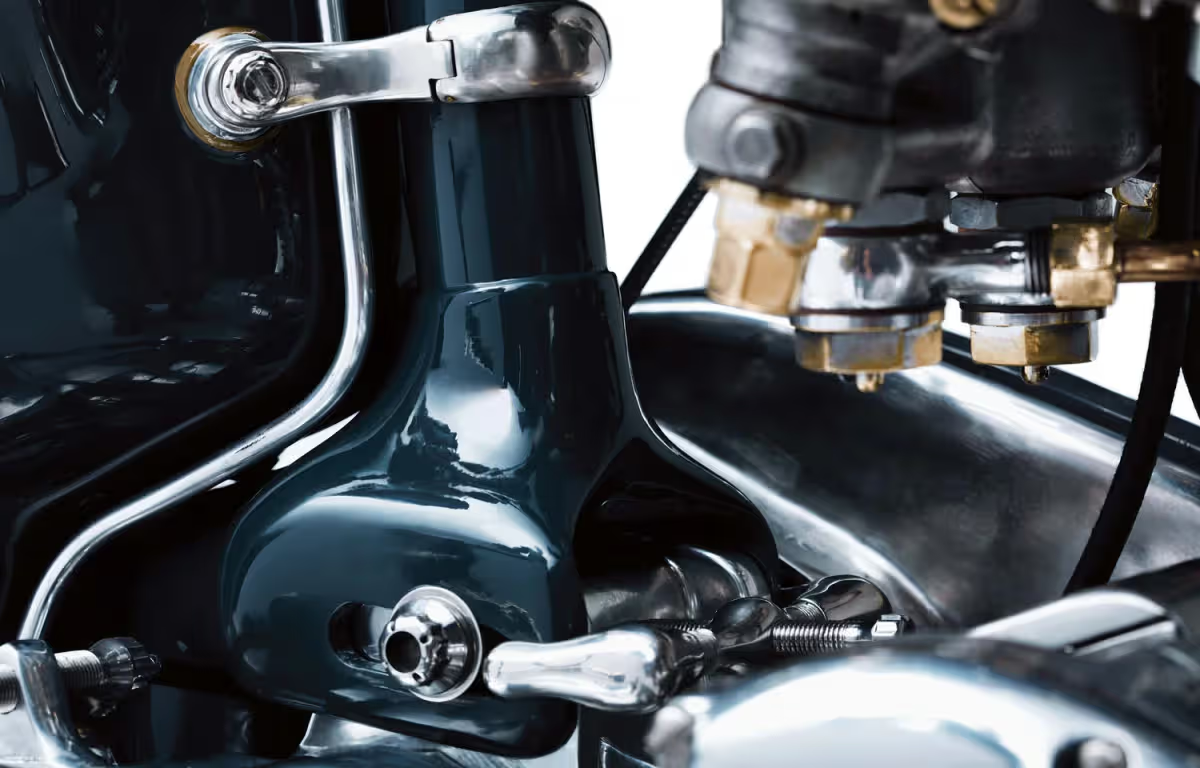
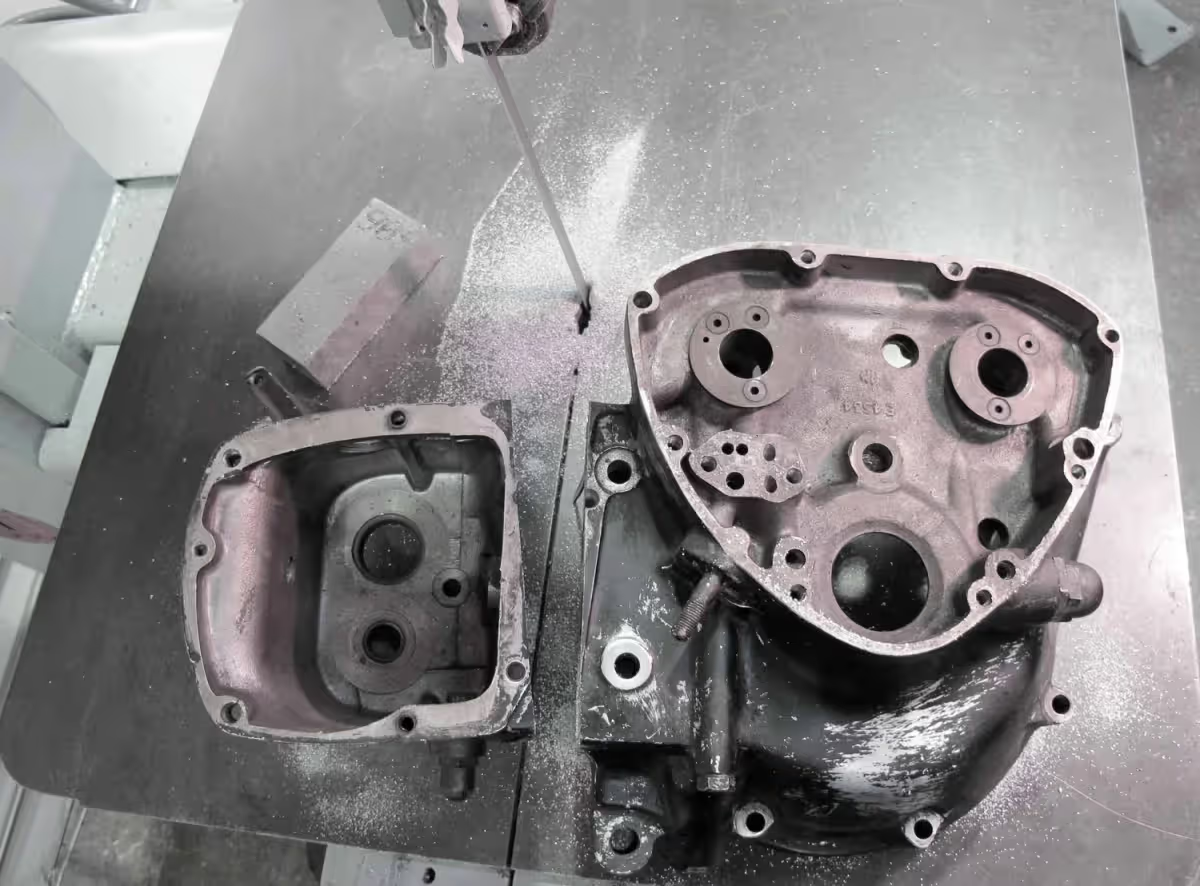
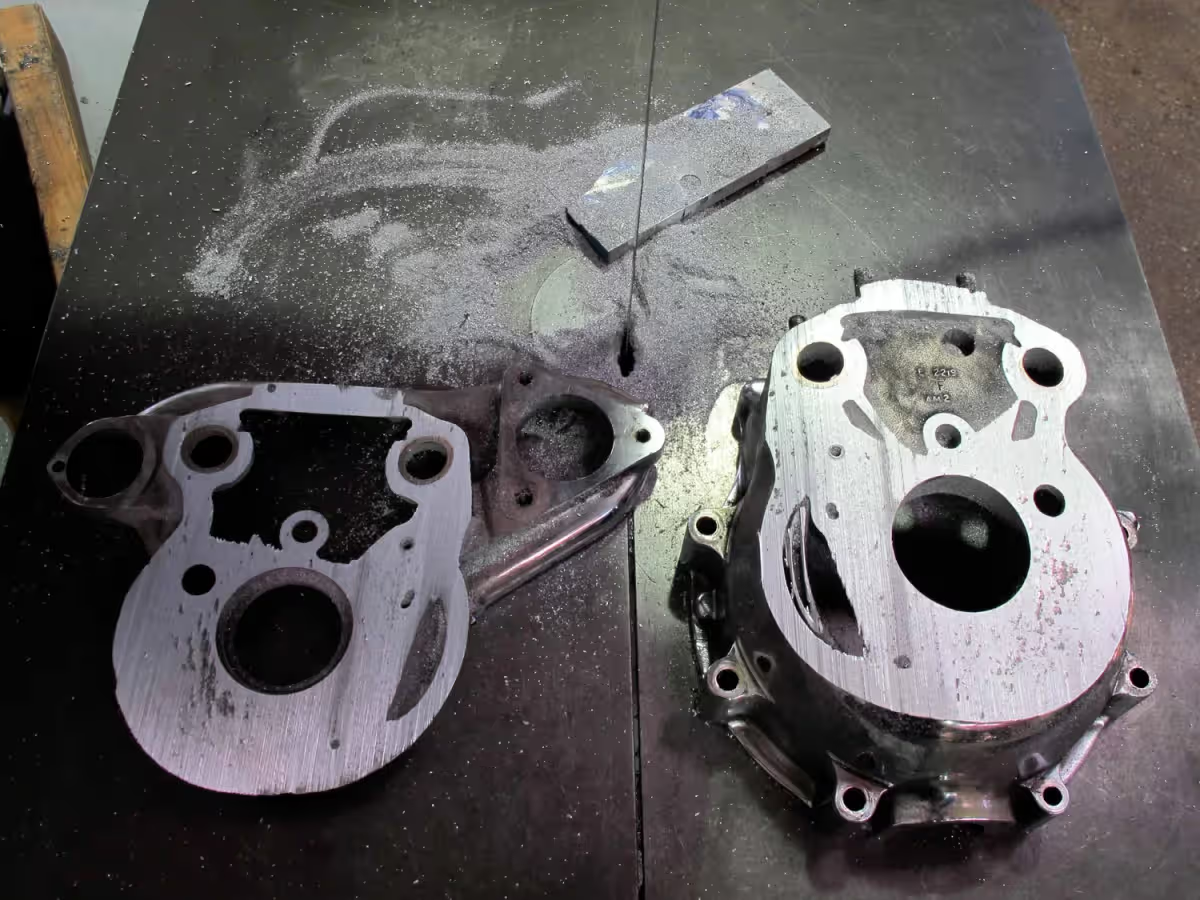
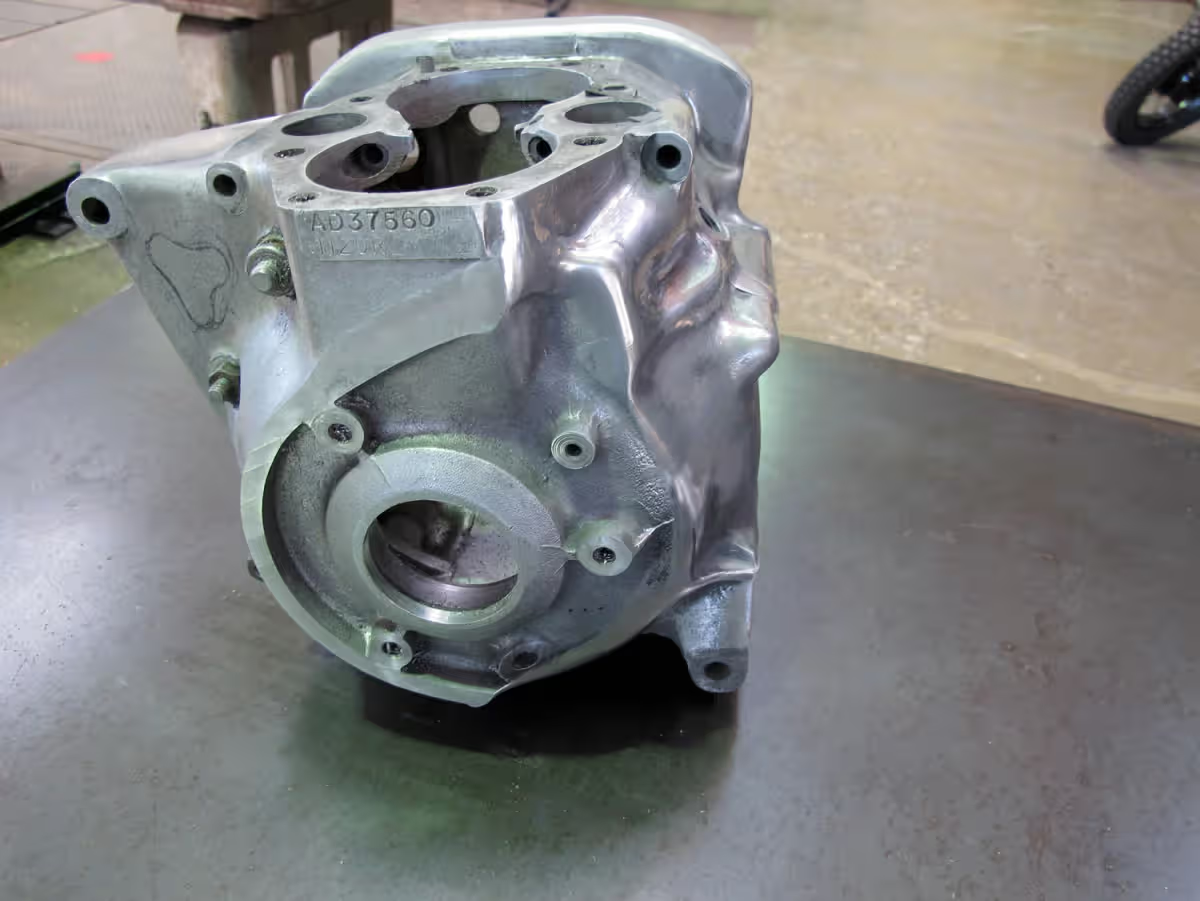
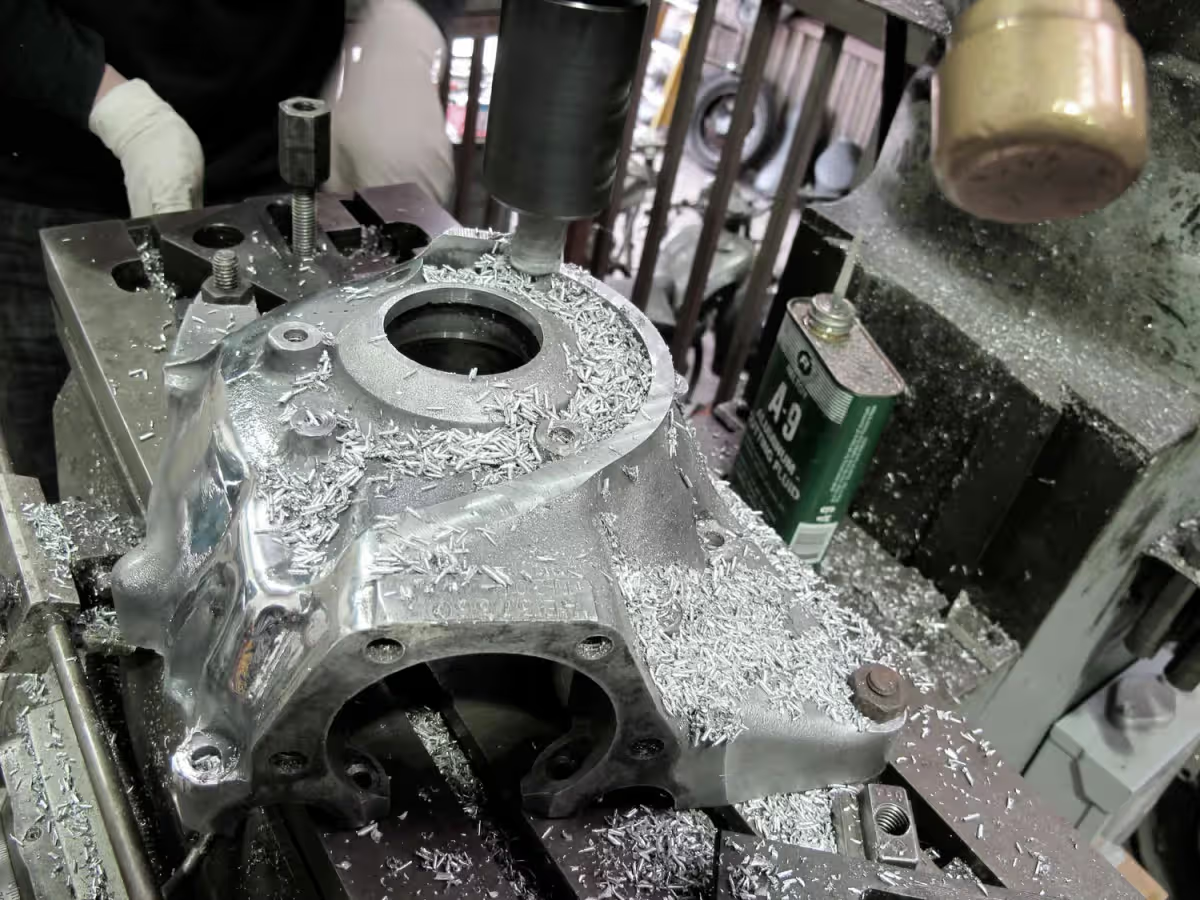
By taking the step of cutting off the original gearbox, a new hybrid was created bringing together the best of early and late Triumph and B.S.A. castings, enhanced by a 'window' opening to the chain and dry clutch.
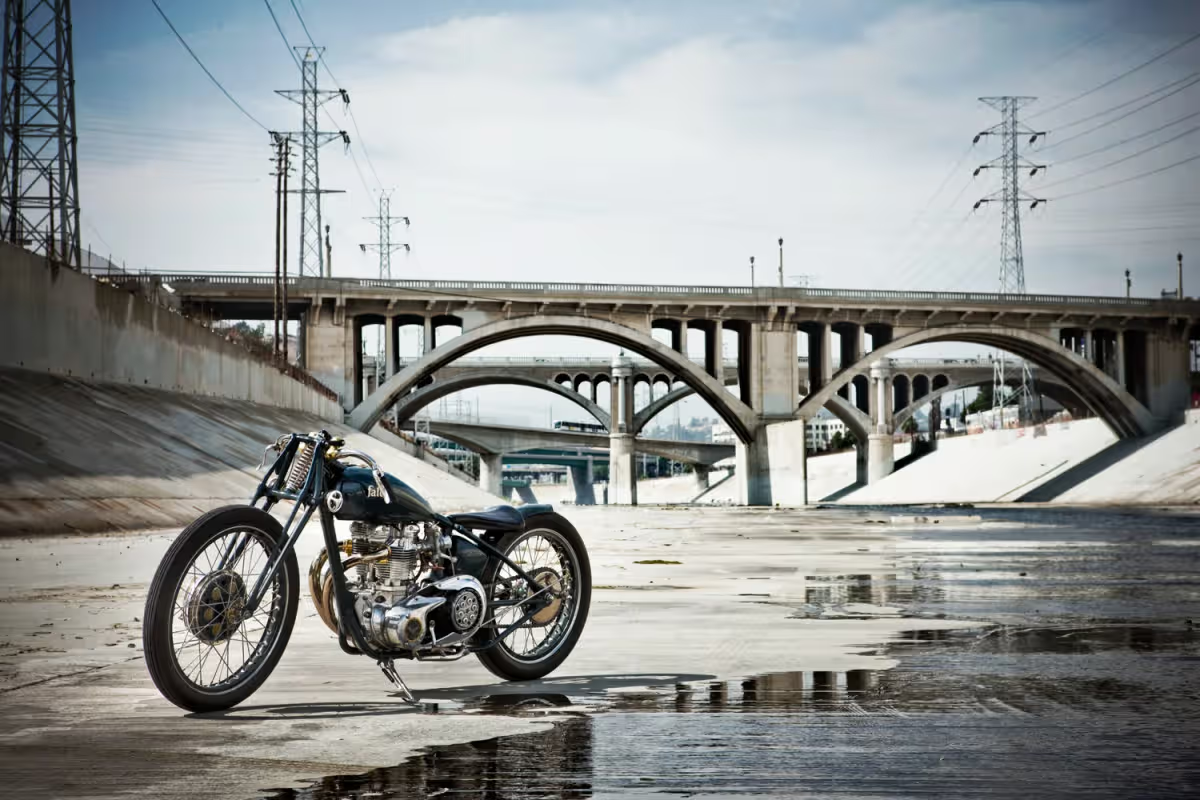
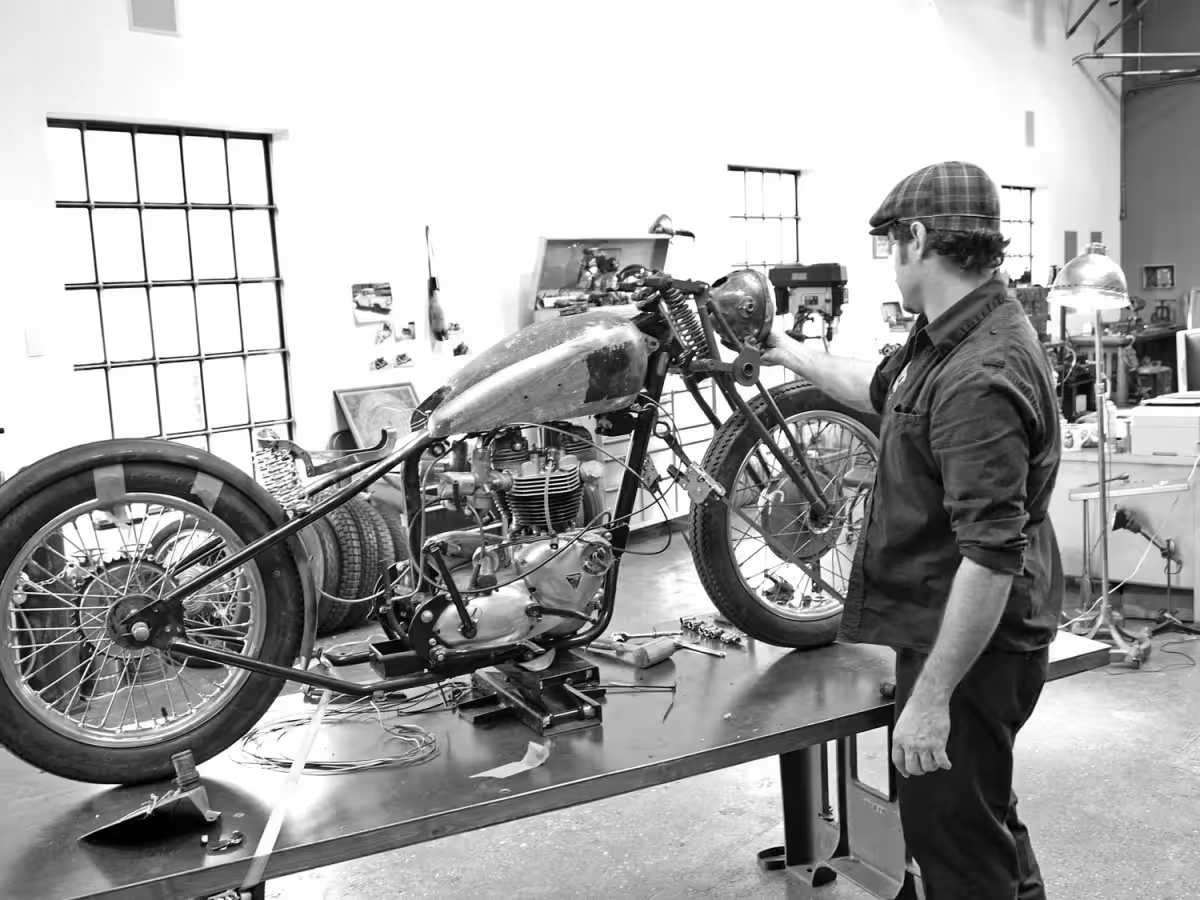
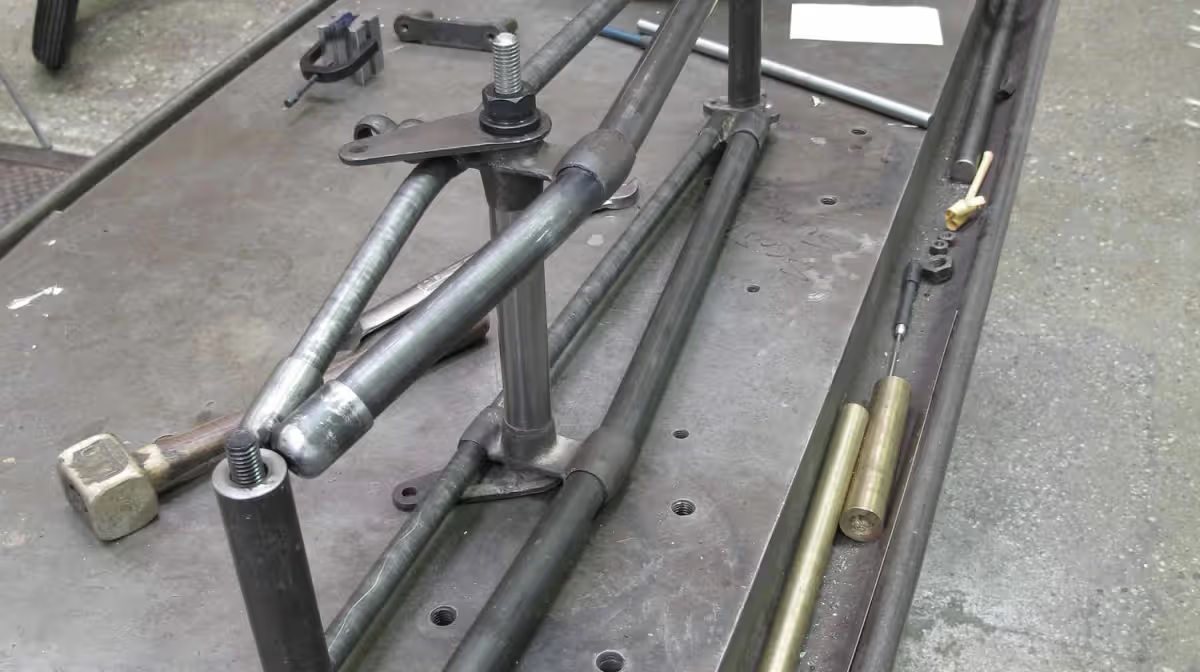
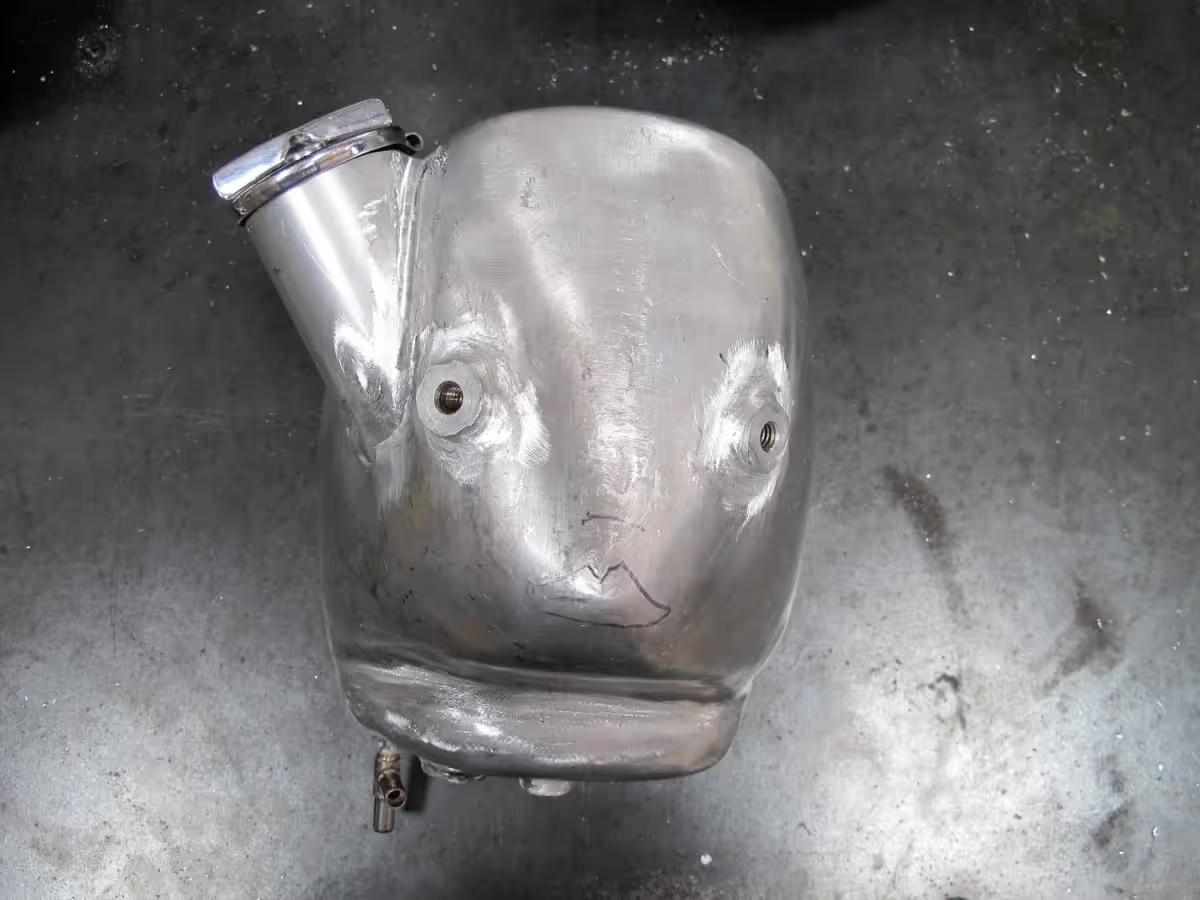
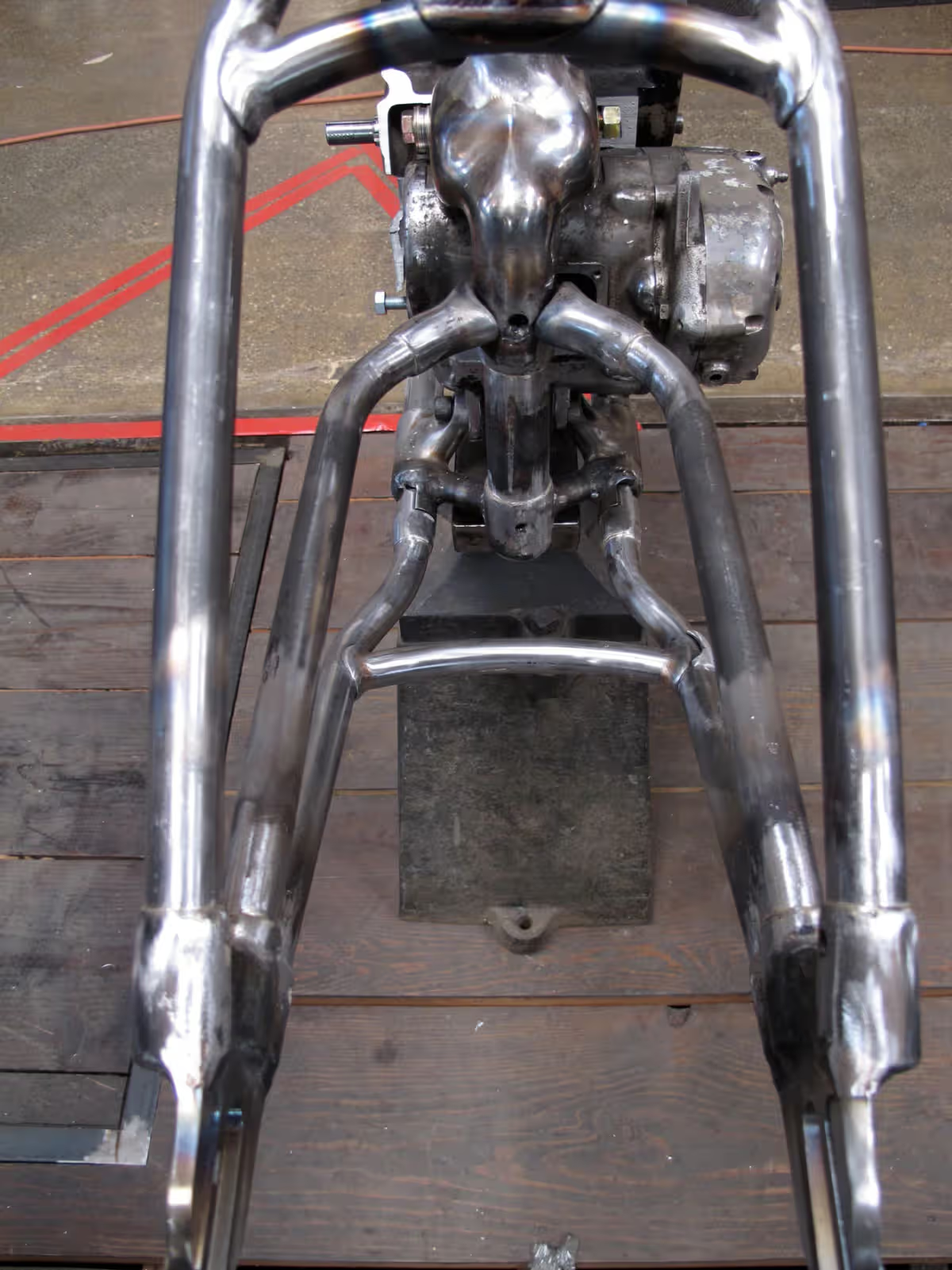
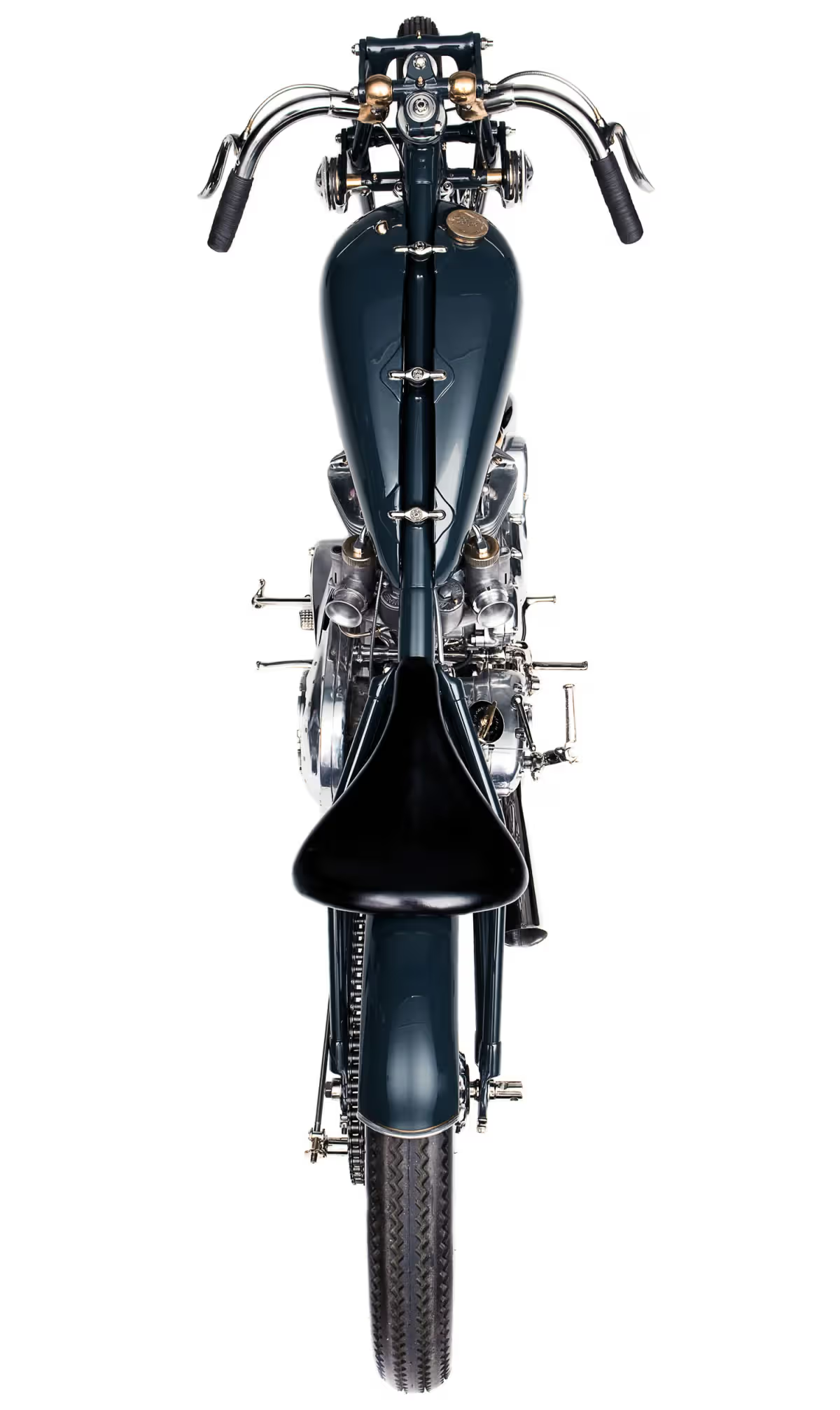
The frame was fabricated using steering geometry similar to a 1960s Triumph but more compact, with a shorter wheelbase, close-hugging handlebars and tanks, and a seat tucked out into the wind.
Features
What are The Kestrel’s key features?
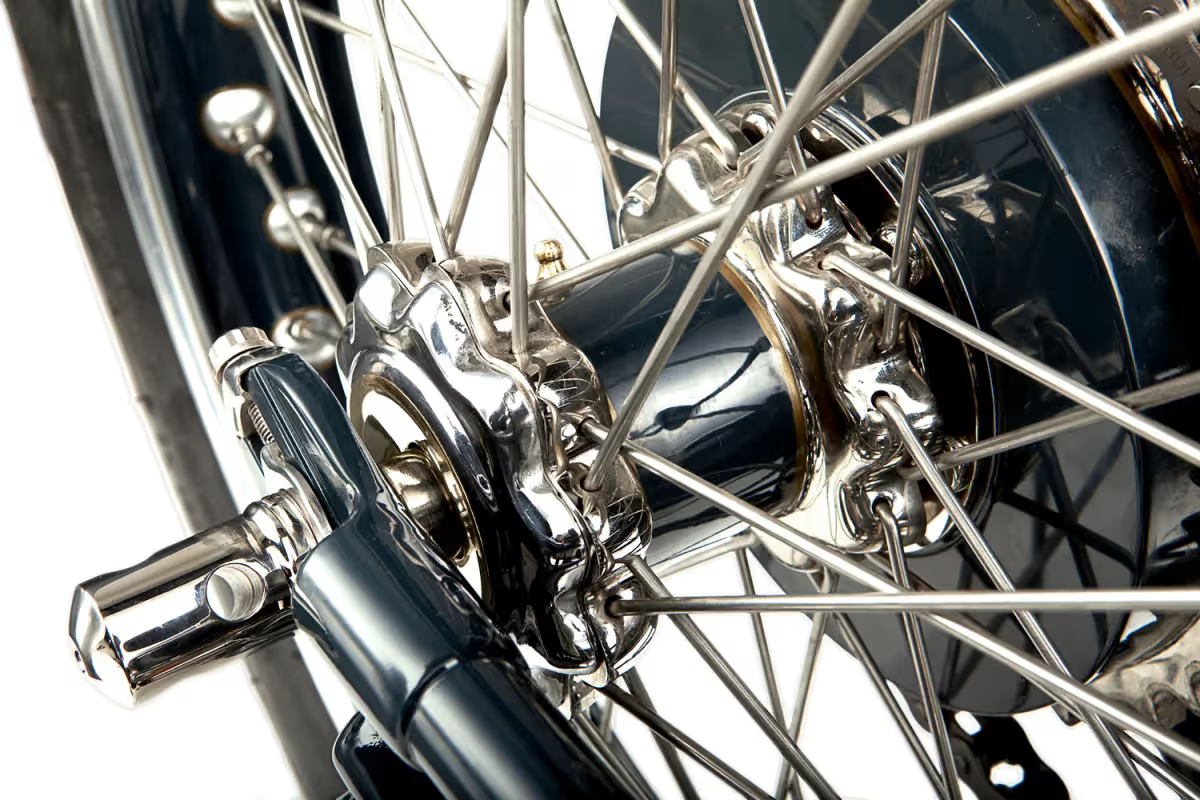
A thousand small details and new solutions.
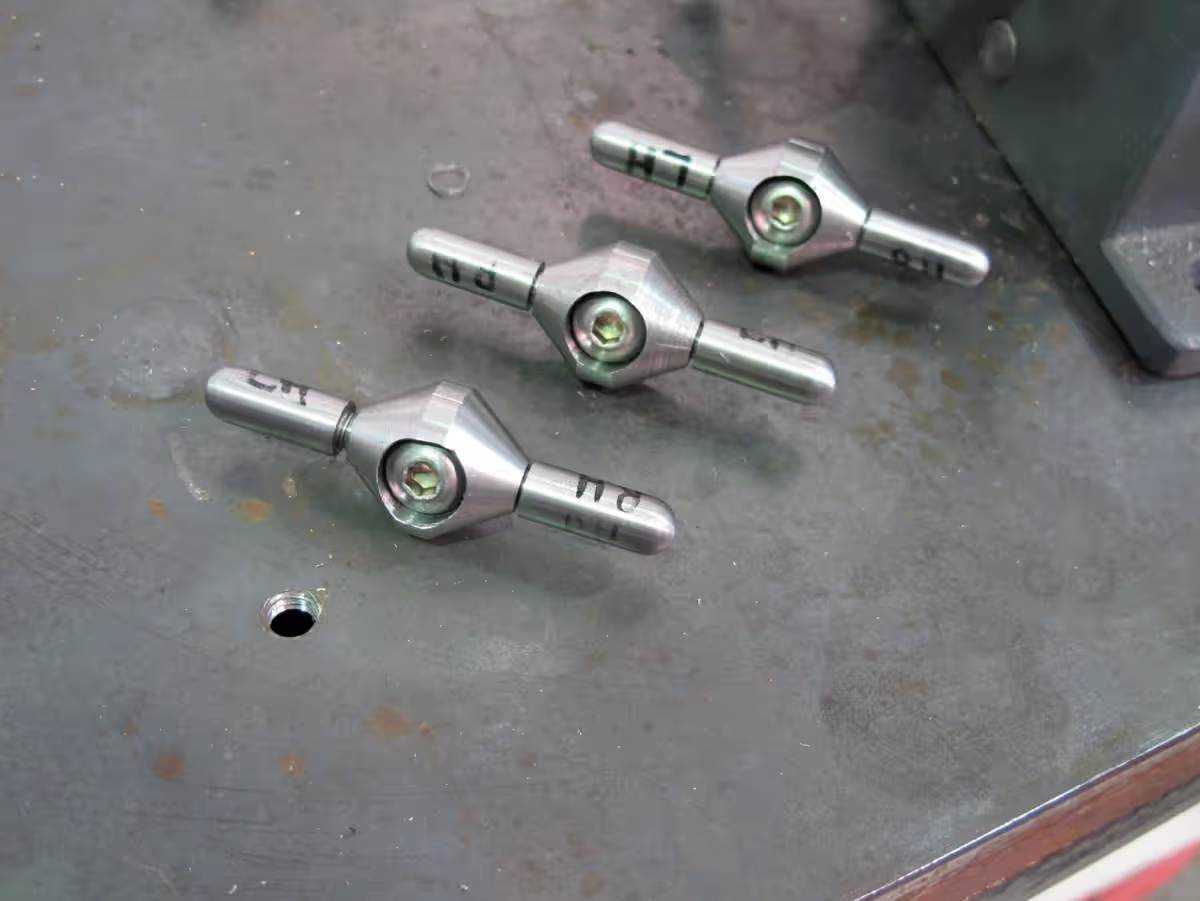
- 01
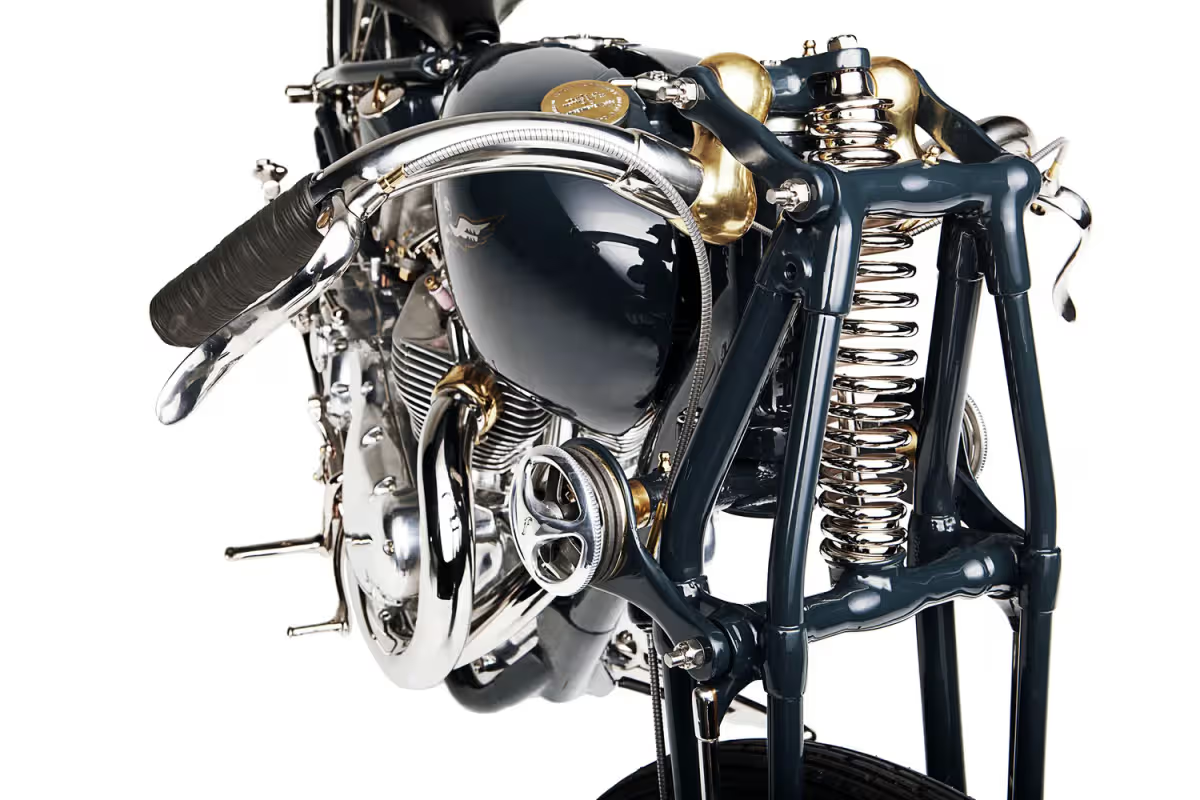
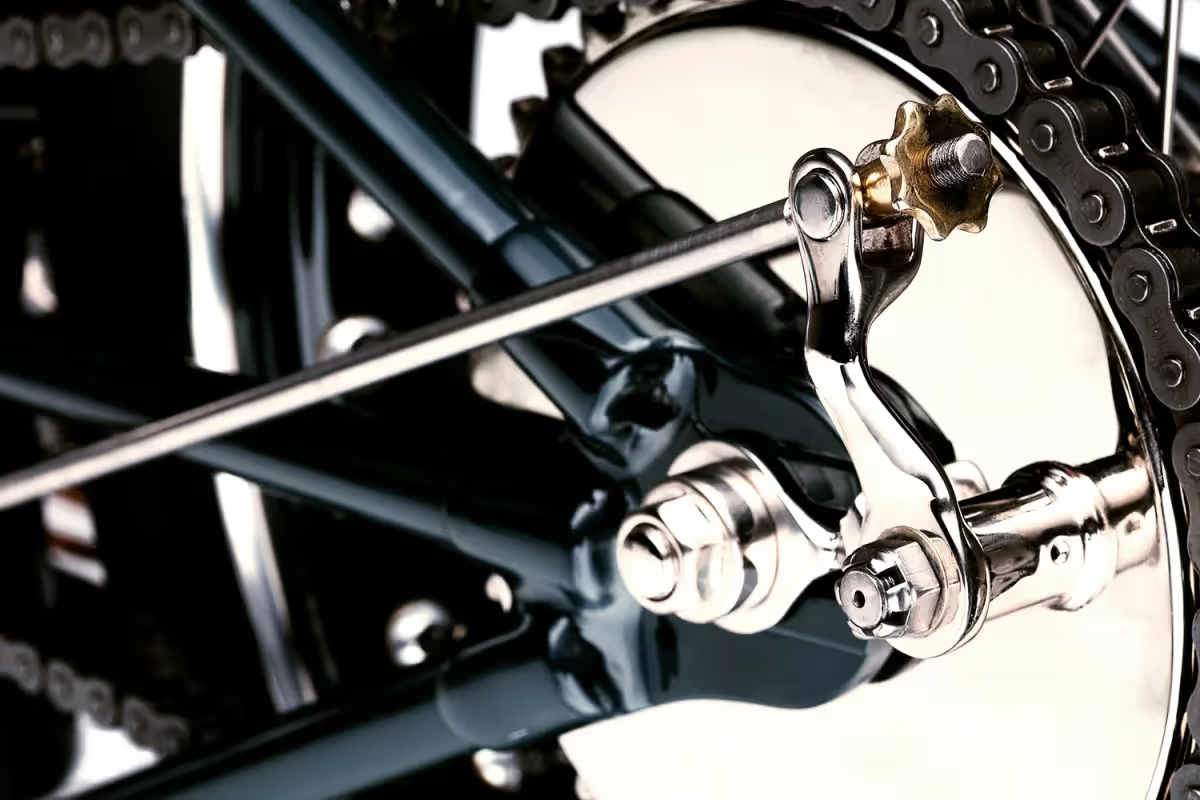
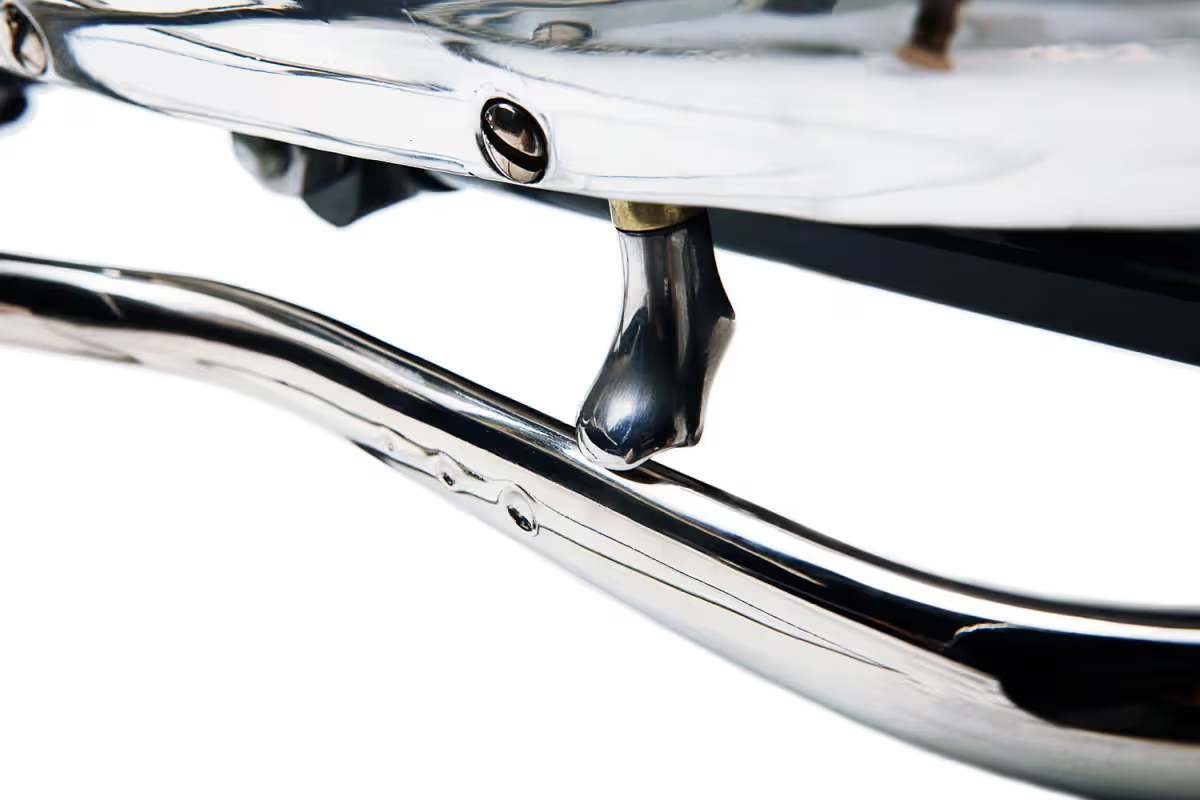
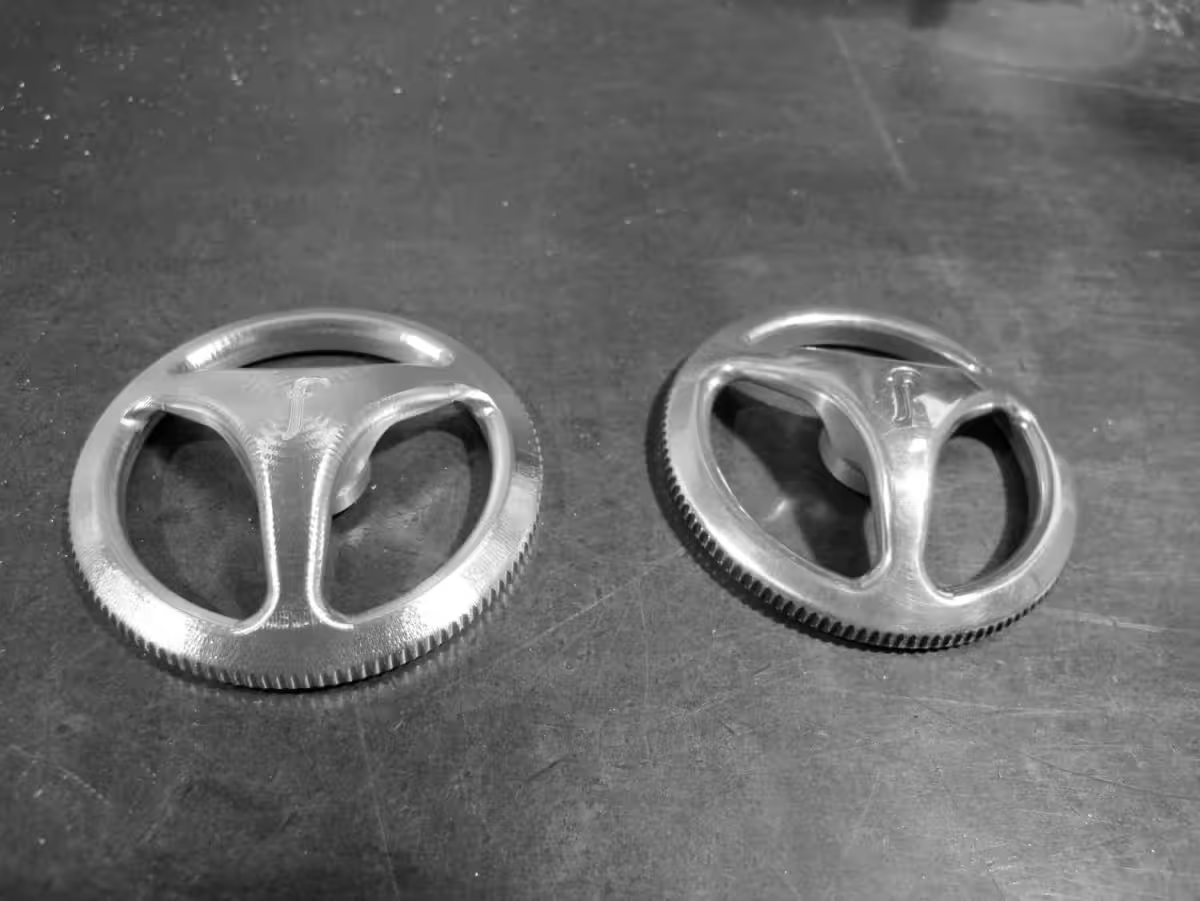
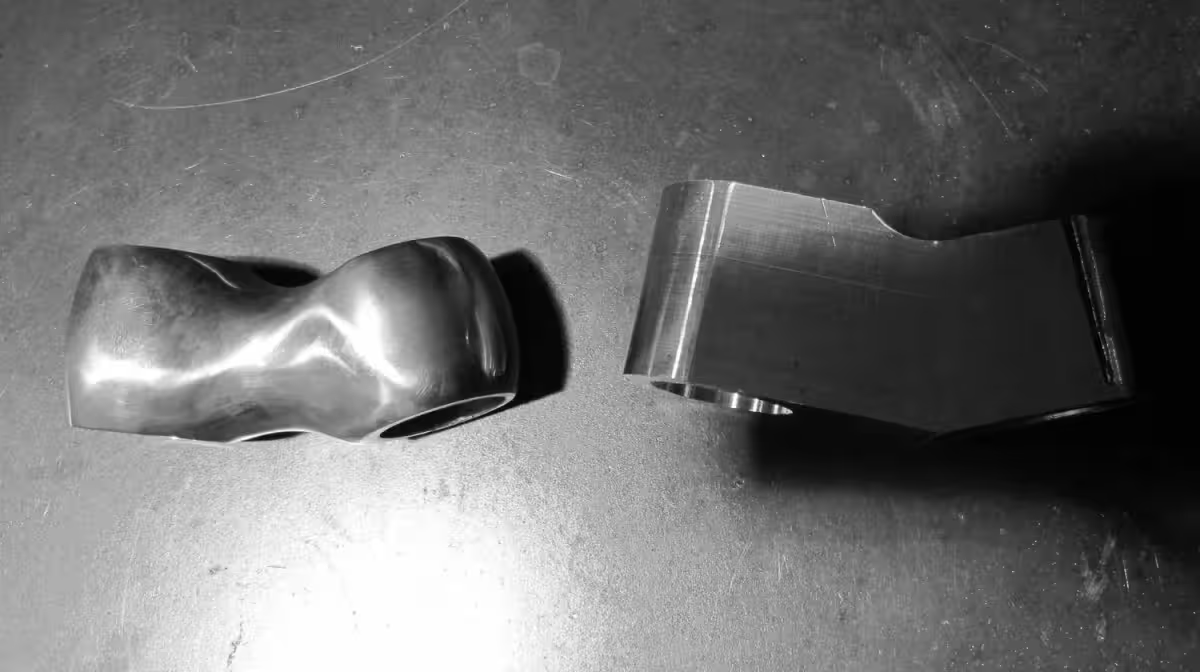
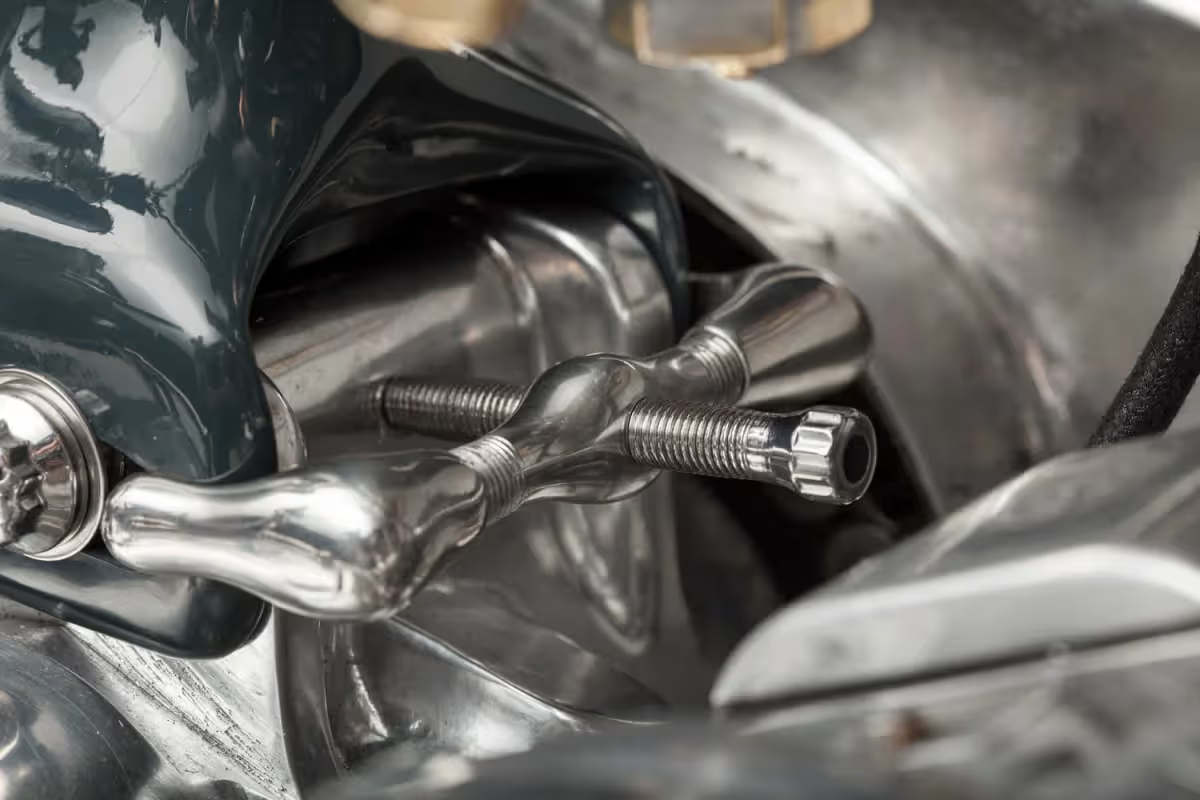
The newly formed gearbox adjuster looks like it might have been taken from an orthopedist’s display case, but it braces the gearbox against axial play and positively locks the chain tension – doing 3 jobs where the original Triumph part did one.
- 02
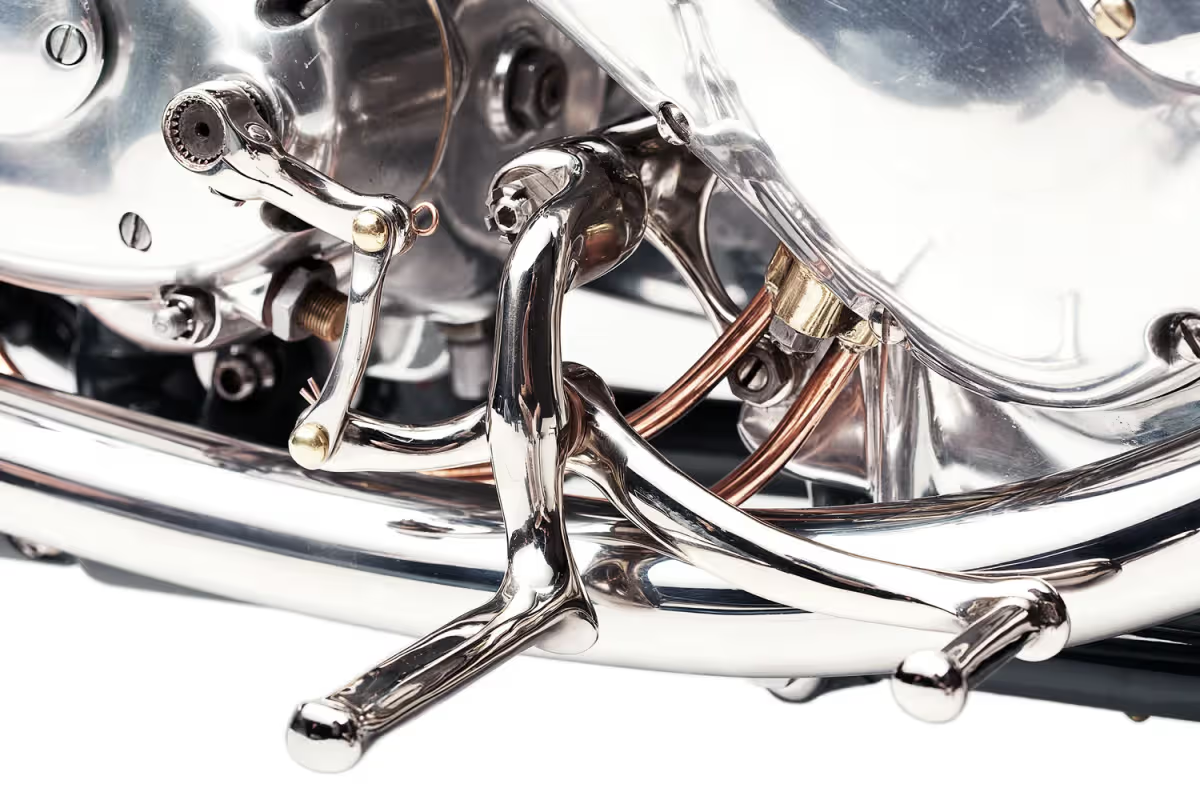
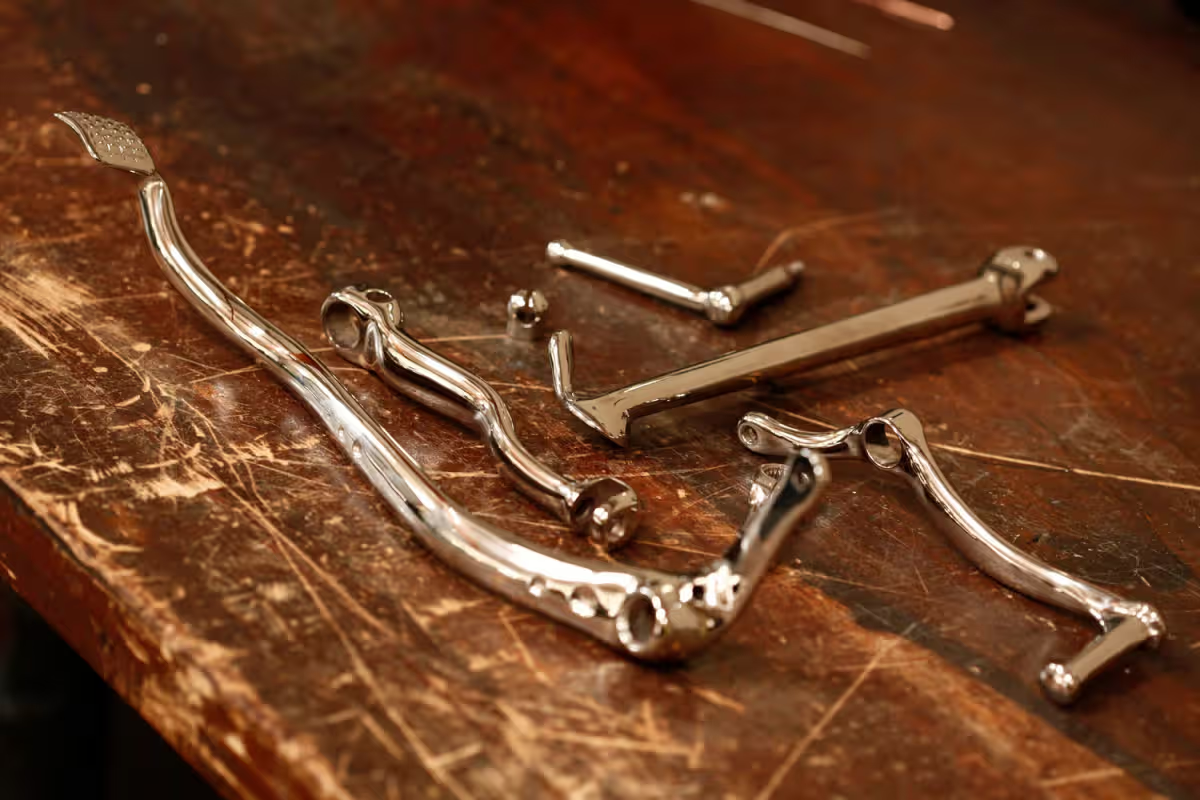
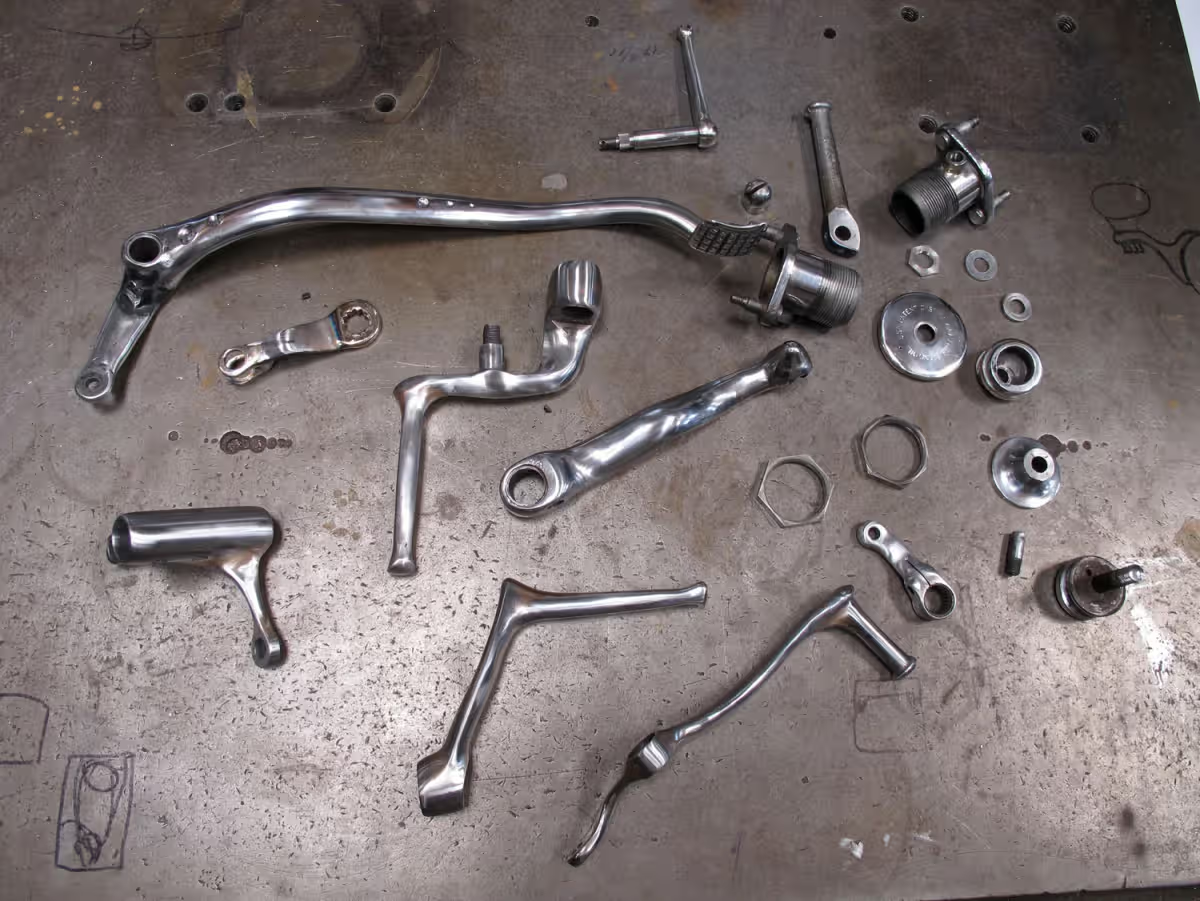
The gearshift linkages - 3 pieces of metal transferring up-and-down foot movements to the gearbox – are simple in principle, but a feat to execute.
- 03
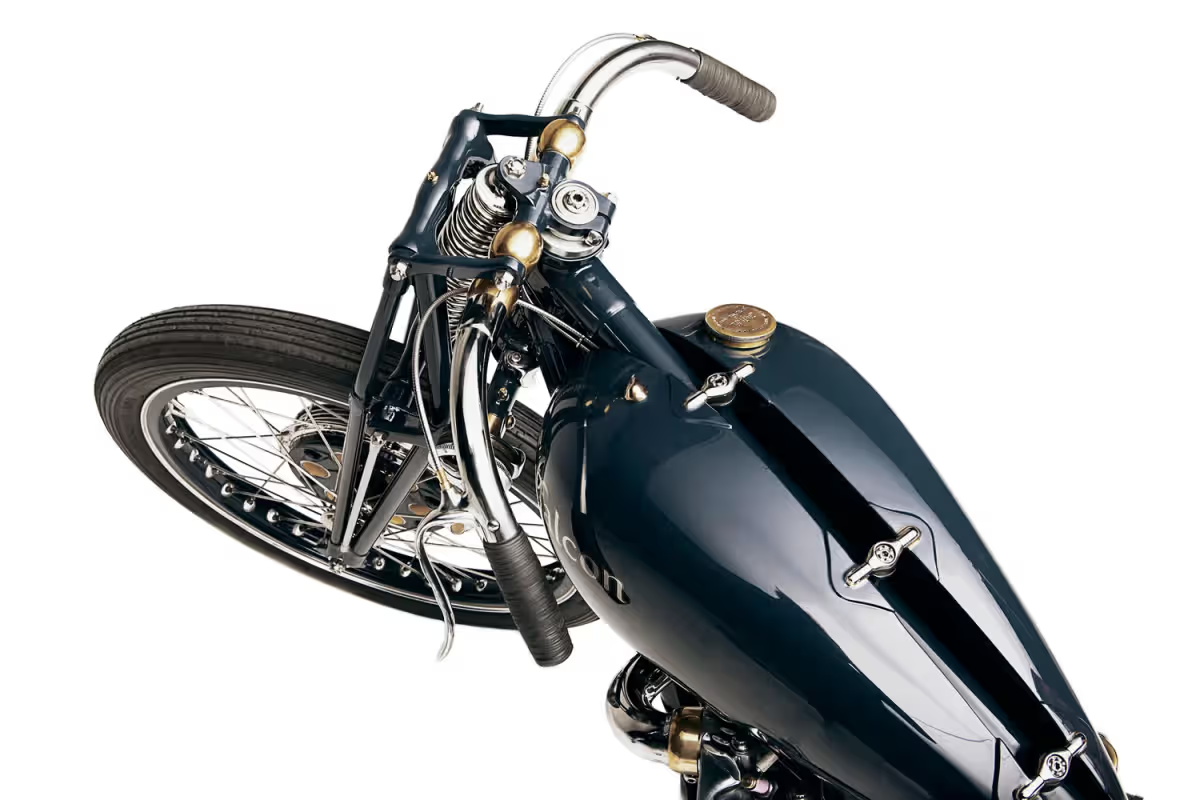
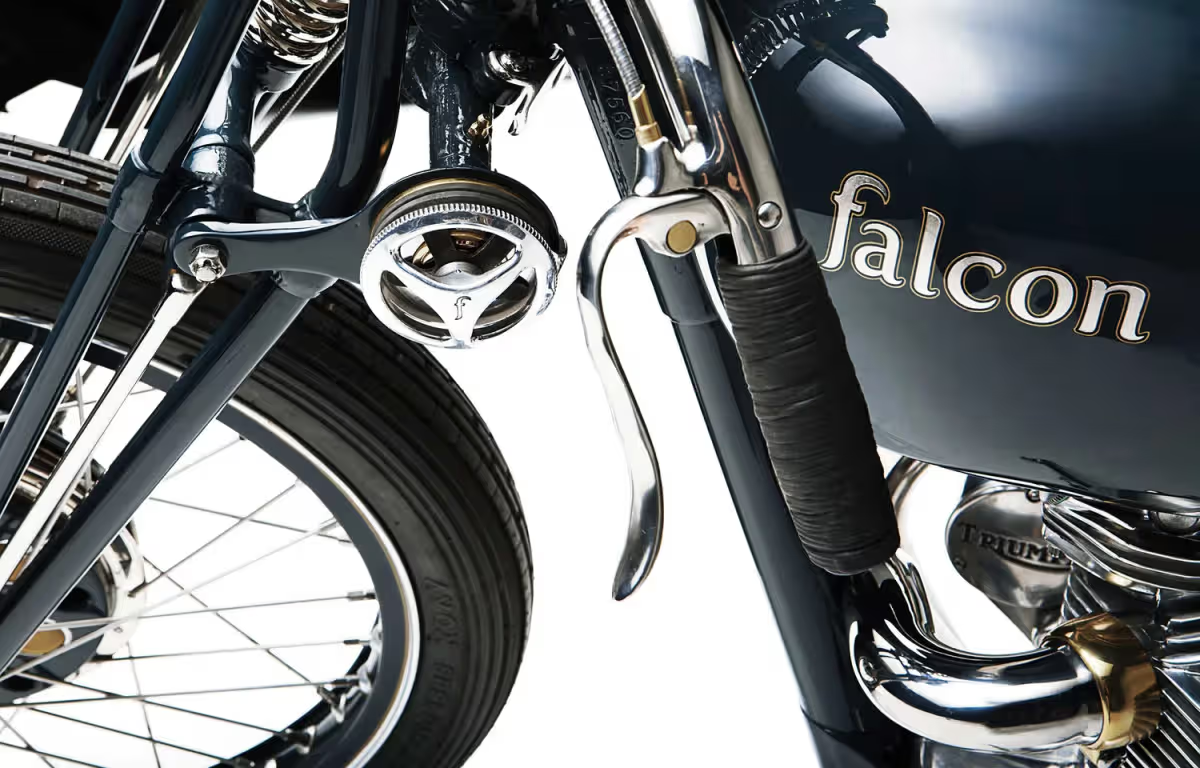
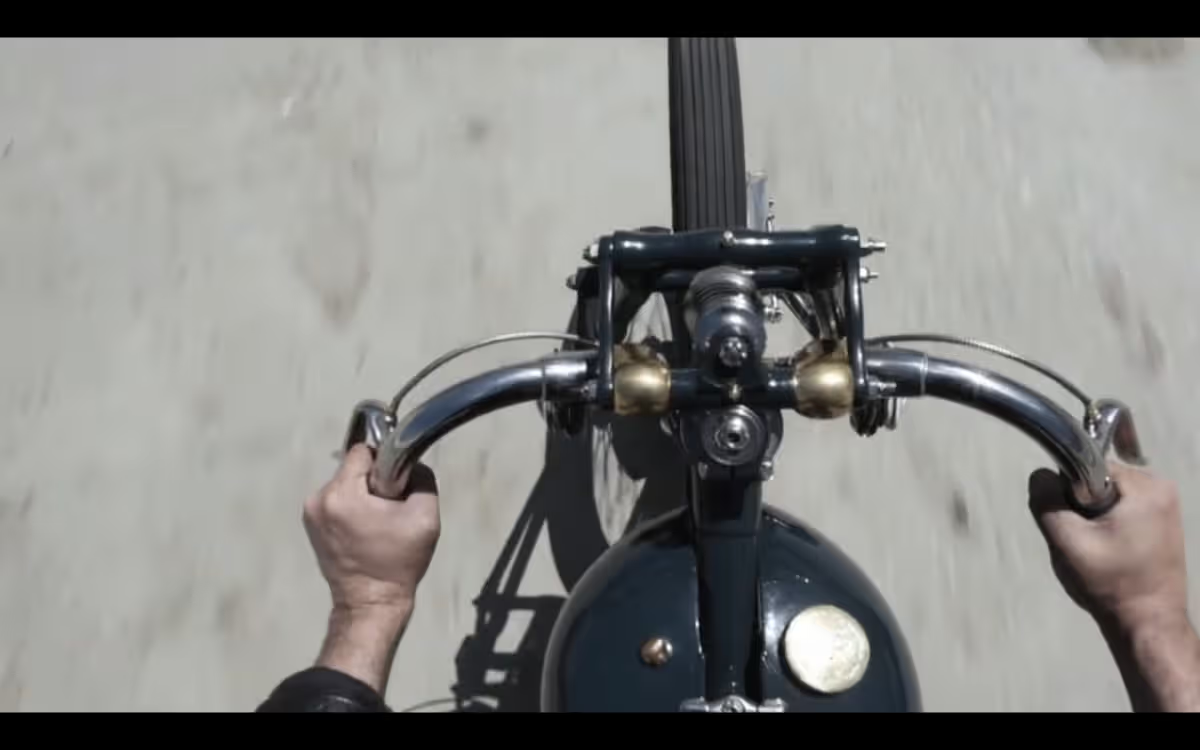
The clutch and brake levers look like vintage inverted levers, reversed, but they in fact pivot inside the handlebars. The routing of the internal throttle cable through the brake lever pivot required ingenuity, yet is completely invisible.
- 04
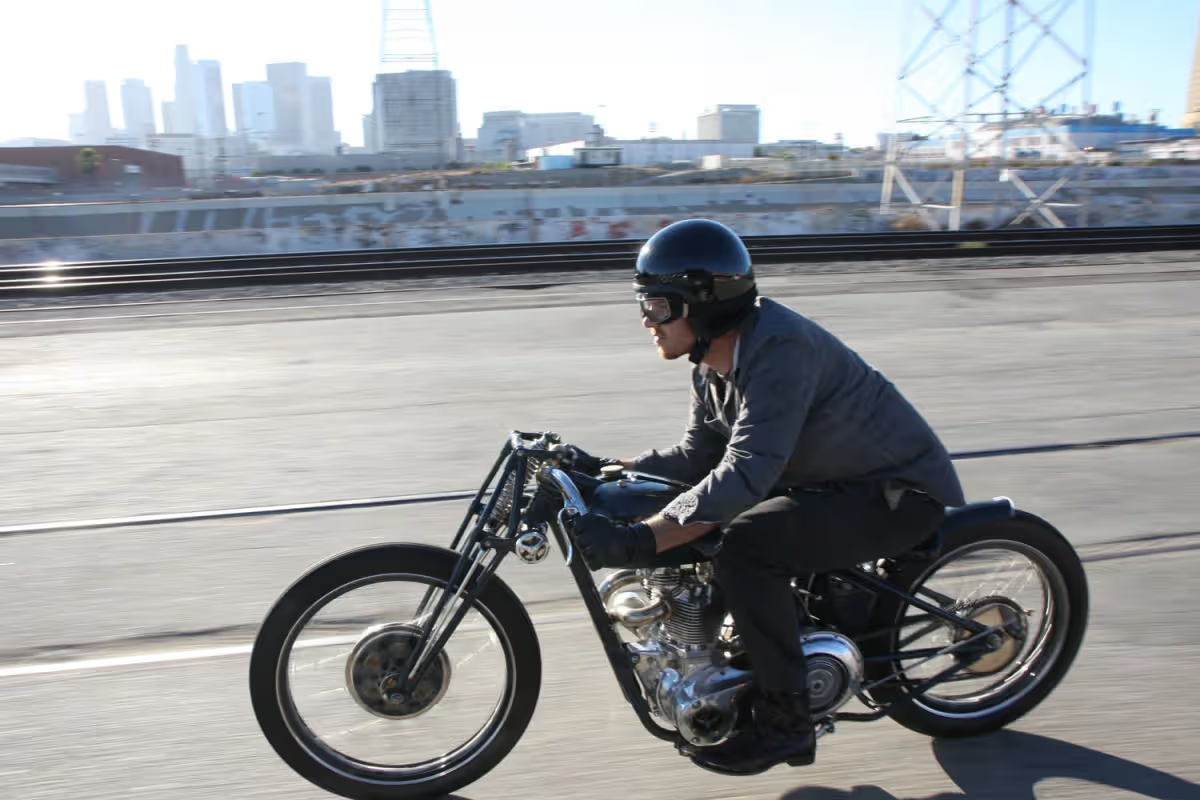
The steering head angle is 29º, which gives stability at speed, and fluidity while cornering. The Kestrel feels agile, yet is totally solid around bends and over bumps. With no waggle, no weave, and no head shake, it feels like a pedigreed vintage racer.
- 05
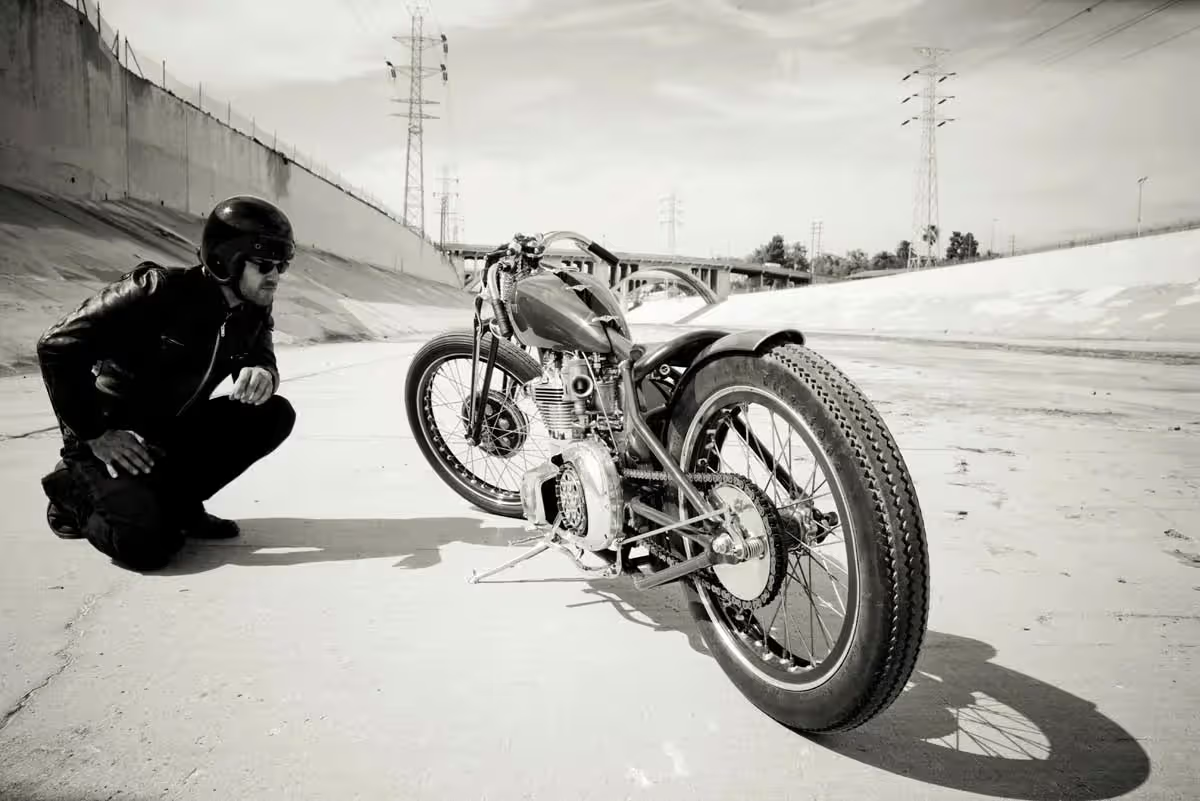
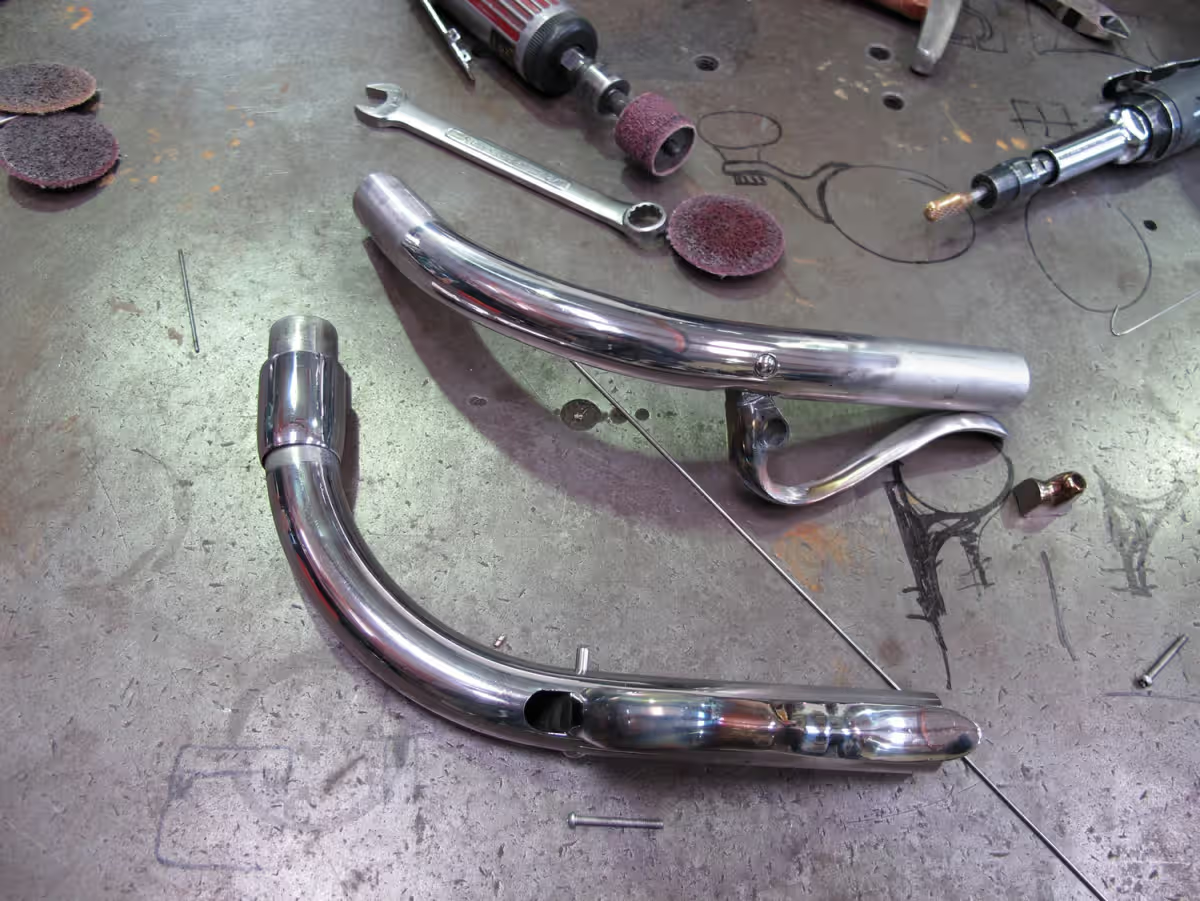
The Kestrel was engineered to run with the same finesse as its design. The frame geometry took extensive research and design to achieve its 5” ground clearance and low center of gravity. At 340lbs, it’s also fast with its tuned 750cc motor, and the engine runs through its rev range remarkably smoothly. Shifting is seamless and the sound from the two-in-one open megaphone is a deep and menacing growl.
Gallery
The Kestrel photo gallery




Questions
Questions about The Kestrel
What engine does The Kestrel use?
The Kestrel's engine started as a 1970 Triumph Bonneville. The original gearbox was cut off and replaced with a hybrid of early and late Triumph and B.S.A. castings, with a window opening to the chain and dry clutch.
How fast and how light is The Kestrel?
At 340 lbs with a tuned 750cc motor it is fast, and the engine runs smoothly through its rev range. The frame gives 5 inches of ground clearance and a 29º steering head angle.
How big is The Kestrel and when was it built?
The Kestrel was built in 2010 and measures 36 × 24 × 82.5 inches. It was Ian Barry's first total design, and it is a unique machine.
Last updated: 13 October 2026
Next machine · 2008
The BulletSee The Bullet →Inquiries
Commissions, purchasing and press.
For any inquiries or questions regarding commissions, purchasing, or press, please contact:
info@ianbarry.com